
No products in the cart.
A search for Fairfield massage often starts with a simple problem: your neck has been tight for weeks, your shoulders feel locked up after work, or your lower back keeps reminding you it is there. You are not looking for a spa day. You want to know whether massage can help and whether a physiotherapy clinic is the right setting.
Inform Physio offers remedial massage in Fairfield and Carlton as part of a wider clinical service that also includes physiotherapy, pelvic health, pregnancy care, clinical exercise, and rehabilitation advice. That matters because a massage appointment in this setting sits beside health history, movement, pain behaviour, function, and safety screening.
If you have typed massage Fairfield into Google and found a mix of day spas, massage rooms, and health clinics, the difference is not that one setting is valid and another is not. The better question is what you need the appointment to do.
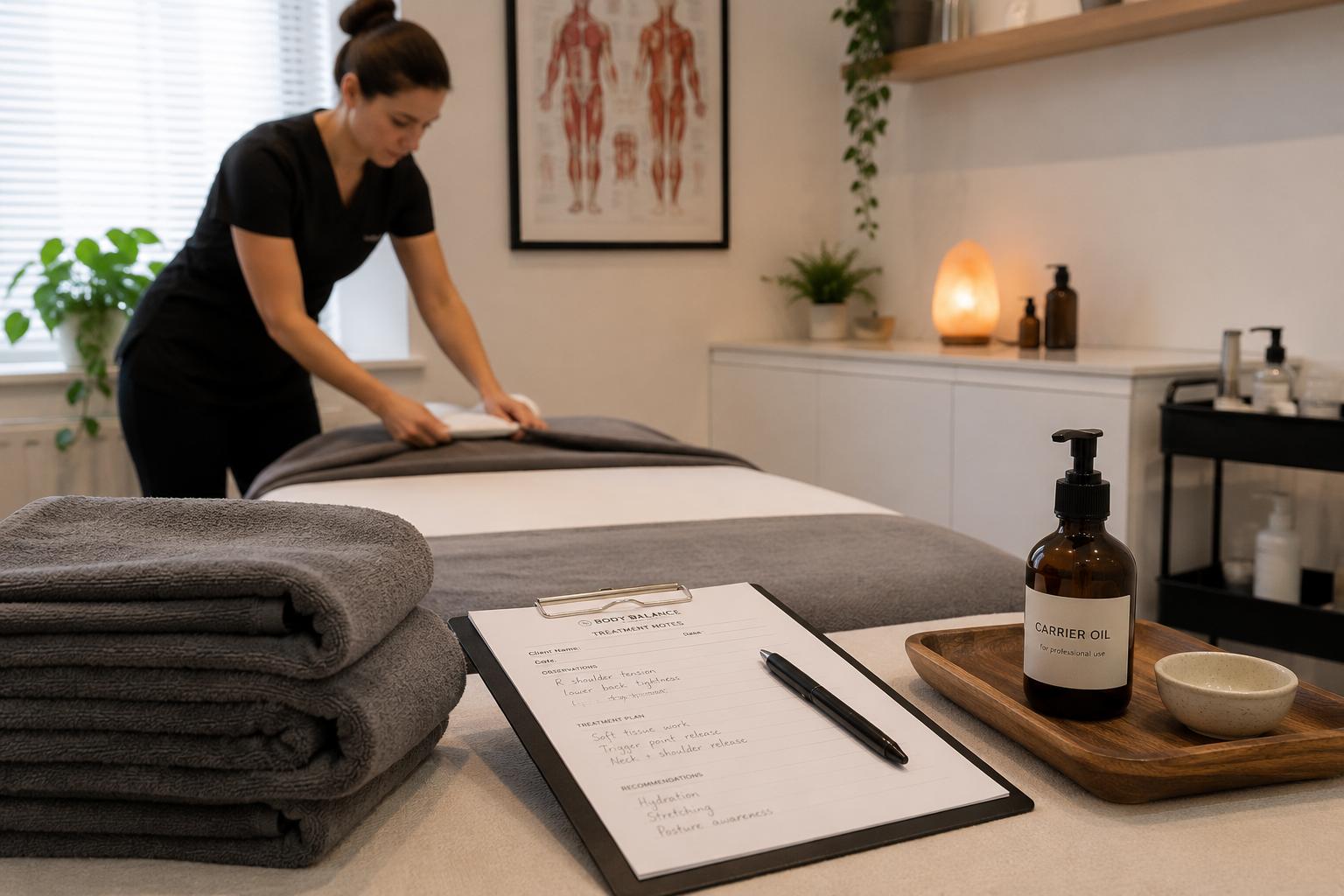
What is different about massage at a physiotherapy clinic?
Massage at a physiotherapy clinic is different because the appointment is shaped by clinical context. The practitioner is paying attention to symptoms, risk factors, movement goals, and when massage alone may not be the right first step.
A standalone relaxation massage can be useful for general relaxation and comfort. A clinical remedial massage appointment is more likely to be tied to pain, movement, recovery, pregnancy, scarring, swelling, or recurring tightness. The goal is not to make the session sound more important than other forms of massage. The goal is to match the setting to the reason you are booking.
| Question | Standalone relaxation massage | Massage in a physiotherapy clinic |
|---|---|---|
| Main goal | Relaxation and general muscle tension | Pain, movement, recovery or function goals |
| First step | Comfort preferences and target areas | History, symptoms, risks and treatment aims |
| Treatment choice | Often based on requested pressure or area | Based on what the practitioner finds and what is safe |
| After the session | General aftercare | General aftercare |
This is also why the February Inform Physio article, 'The Massage That Starts With a Question, Not a Table', is worth linking from this page. That article explains the question-led approach to massage. This article goes one step further and explains what changes because the appointment happens inside a physiotherapy clinic.
When does remedial massage make sense?
Remedial massage may make sense when muscle tension, sensitivity, or restricted movement is the main problem and there are no warning signs that suggest a different pathway is needed first.
- Desk work or driving tightness: Neck, shoulder, hip, and lower back tightness can build when your body sits in one position for long periods. Massage may help reduce guarding and make movement feel easier.
- Neck and shoulder tension: A targeted session can be useful when tension is linked to workload, posture, stress, or repeated upper-body tasks. If pain spreads into the arm or comes with numbness or weakness, physiotherapy or medical review is more appropriate.
- Lower back tightness: Massage may support comfort when the problem feels muscular and settles with gentle movement. It should not be used as the only answer for new, severe, spreading, or worsening pain.
- Sport or training recovery: Some people use remedial massage to support recovery from heavy training, sport, or manual work. It may help with muscle soreness and movement comfort, but it does not replace load management, strengthening, or injury assessment where those are needed.
- Pregnancy-related discomfort: Pregnancy massage may be useful for some pregnancy-related aches when the appointment is adapted for safety, positioning, and symptoms. A dedicated pregnancy massage article should be linked here for readers who need that more specific information.
- Scar or lymphatic concerns: Inform Physio lists scar/abdominal release and integrative lymphatic massage among its services. These are more specific soft-tissue appointments and should be booked with the right practitioner, rather than treated as a standard massage request.
The cautious wording matters. Remedial massage aims to support comfort and movement. It should not be presented as a cure for pain, a replacement for diagnosis, or a guaranteed way to stop symptoms returning.
When is massage not the whole answer?
Massage is not always the right first step. In a physiotherapy clinic, one benefit of the setting is that symptoms can be screened before treatment keeps going in the wrong direction.
Healthdirect's Australian guidance on back pain advises medical review for symptoms such as sudden severe pain, pain after a significant injury, fever or feeling unwell, weakness or numbness, and bladder or bowel changes. Its neck pain guidance also flags pins and needles, numbness or weakness in the arms or legs, dizziness, and bowel or bladder changes as warning signs.
For a massage booking, that means the practitioner may pause and suggest a physiotherapy assessment, GP review, or another pathway if your symptoms do not behave like routine muscle tightness.
- Numbness, pins and needles, or weakness: These symptoms can suggest nerve involvement. Massage may still have a role later, but assessment should come first.
- Pain after a fall, collision, or accident: New pain after trauma should be assessed rather than treated as ordinary tightness.
- Pain with fever or unexplained illness: This is a medical flag, not a massage problem.
- Symptoms that are getting worse: Pain that keeps escalating, spreads, or stops you moving normally needs a clearer clinical plan.
- New unusual pain in pregnancy: Pregnancy changes what is safe and sensible. Severe, unusual, or concerning pain in pregnancy should be checked before massage continues.
This is not here to make the reader anxious. It explains the safety frame around physiotherapy and massage in the same clinic.
What happens before, during and after the appointment?
A remedial massage appointment at a physio clinic usually follows a simple pattern: understand the problem, adapt the treatment, then give a practical next step.
| Stage | What happens | Why it matters |
|---|---|---|
| Before | The practitioner asks about symptoms, medical history, treatment goals, and any care already received. Bring referral letters, imaging reports, or exercise notes if you have them. | Massage can be adapted to your health history, current symptoms, and treatment aim. |
| During | Treatment is adjusted to your sensitivity, goals, and symptoms. The practitioner may work on connected areas, not only the sore spot. | The sore area is not always the only area contributing to the problem. Pressure is not the measure of quality. |
| After | You may receive simple movement or self-management advice. If massage is not enough, the practitioner may suggest physiotherapy assessment. | You leave with a clearer next step, rather than only a short-term sense of relief. |
More pressure is not always better. A strong massage that leaves the nervous system more irritated may be less useful than a calmer approach that lets the person move more freely afterwards.
The practitioner may also adjust the session if you are pregnant, recently postnatal, managing scar sensitivity, recovering from injury, or dealing with lymphatic concerns. Those details change positioning, pressure, and after-session advice.
How does remedial massage fit with physiotherapy?
Remedial massage can fit with physiotherapy when pain, tightness, or guarding is making movement harder. It may help a person feel comfortable enough to start gentle movement work, practise exercises, or return to daily tasks with less restriction.
Massage does not replace strengthening, mobility work, load management, or diagnosis when those are needed. Some people attend only for clinical remedial massage. Others use it as one part of a broader physiotherapy plan. The right mix depends on symptoms, goals, and how the problem behaves over time.
A practical example is recurrent neck tightness. Massage may help short-term comfort, but if the same tightness returns every few weeks, the plan may need to include desk setup changes, shoulder strength work, movement breaks, or a physiotherapy assessment to check what is driving the pattern.
This is where physiotherapy and massage can work together without turning every massage booking into a full physio appointment. The session can stay focused, while still having a clear pathway if the problem needs more than hands-on work.
Is Fairfield massage at a physio clinic right for you?
Fairfield massage at a physio clinic may suit you if you want targeted soft-tissue treatment inside a cautious health setting.
Book remedial massage if:
- You want targeted work on muscle tightness or discomfort.
- You want the appointment to consider your medical history and movement goals.
- You have recurring tightness and want advice on what may be driving it.
- You are pregnant, postnatal, recovering from abdominal scarring, or managing swelling where a more cautious setting feels appropriate.
Book physiotherapy first if:
- Your symptoms are new, severe, or worsening.
- You have numbness, weakness, radiating pain, or pins and needles.
- You need a diagnosis, injury plan, or return-to-sport pathway.
- You are unsure whether massage is safe for your situation.
If you are on the fence, ask the clinic which service to book first. Choosing the right starting point can reduce the chance of booking a session that does not match the problem.
Frequently asked questions
No. Remedial massage focuses on soft-tissue treatment and comfort. Physiotherapy can include assessment, diagnosis, education, exercise, manual therapy, rehabilitation, and return-to-activity planning. The two services can overlap in goals, but they are not the same appointment.
In most cases, you can book remedial massage directly. If you have a referral, imaging report, operation note, or exercise plan from another health professional, bring it with you so the practitioner has the right context.
Yes. Some people use massage between physiotherapy appointments when it supports the plan. If you already see a physio, it can help to let both practitioners know what treatment and exercises you are doing.
Massage may be suitable during pregnancy when the practitioner is trained in pregnancy positioning, symptom screening, and pressure changes. New, severe, or unusual pain in pregnancy should be assessed before treatment continues.
There is no single schedule that suits everyone. Some people book occasionally when tightness builds. Others use massage for a short period alongside physiotherapy or training changes. The better question is whether each session is helping you move, function, or manage symptoms in a clear way.
Book remedial massage in Fairfield
If you are booking remedial massage at Inform Physio's Fairfield clinic, bring any relevant notes, scans, exercise plans, or referral letters you already have. Wear clothing that makes it easy to check simple movement or posture if that is relevant before treatment.
Remedial massage is also listed for Inform Physio's Carlton clinic, with limited appointment days. Fairfield remains the clearer focus for this article because the search opportunity is the Fairfield massage cluster and the main clinic address is 87 Arthur Street, Fairfield.
The useful next step is not always to push ahead with massage. If the therapist thinks physiotherapy assessment is the safer first step, they can guide you toward that pathway. If your main concern is muscle tightness, comfort, or movement restriction without red flags, book remedial massage at Inform Physio's Fairfield clinic or contact the clinic before booking if you are unsure which service fits.
Book your initial appointment
If you are not sure where to start, the most useful step is the initial appointment. It runs 45 to 60 minutes, starts with the assessment described above, and ends with a written treatment plan you can take to your midwife, GP, or obstetrician if you would like them across the treatment.
There is also an assessment-only option for women in the first trimester who want to plan ahead. You meet the therapist, talk through what you have been experiencing, and leave with a plan for when, or whether, to start treatment, without committing to a hands-on session that day.
To book a pregnancy massage initial appointment in Fairfield or Carlton, call the clinic or use the online booking page. Wear loose clothing, bring a list of any medications you are taking, and on the booking form, note any specific pain you would like the therapist to focus on.