
No products in the cart.
A new mother notices a gap in her stomach muscles when she tries to sit up. Her belly feels soft and unsupported, even months after birth. Clothes fit differently. Exercise feels strange. She wonders if something is wrong, or if her body will ever feel strong again.
This is abdominal separation, or diastasis recti. It affects many women during and after pregnancy. While common, it can also be confusing. Some women recover naturally. Others are left with ongoing weakness, back pain, or a bulging tummy that affects confidence and function.
Physiotherapy is one of the safest and most effective ways to treat abdominal separation. With tailored assessment and exercise, women can restore core strength, improve posture, and reduce discomfort. Post-natal recovery is about more than getting back in shape — it is about building strength and resilience for daily life.
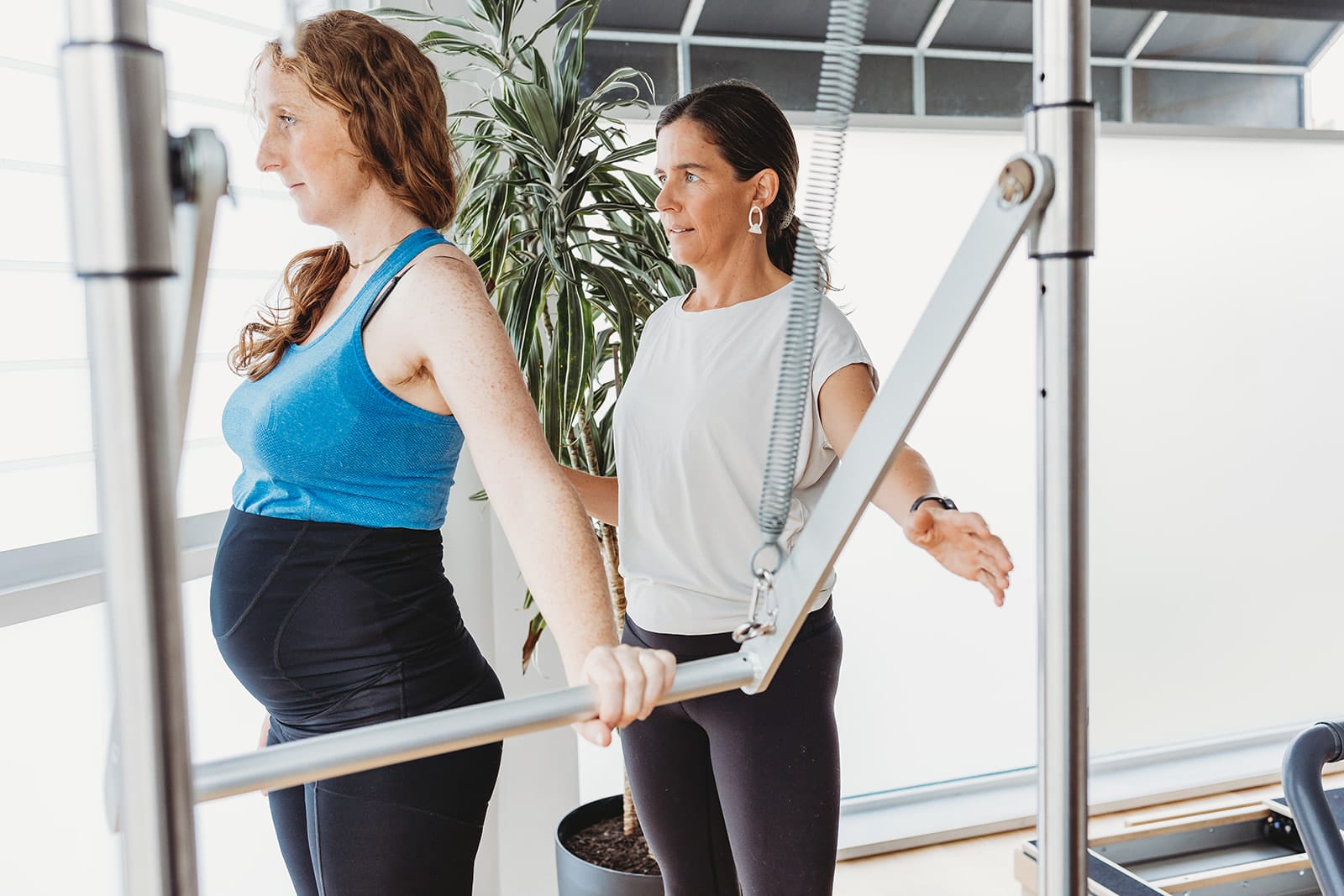
What is abdominal separation?
Abdominal separation, or diastasis recti, happens when the connective tissue between the left and right abdominal muscles stretches and weakens. During pregnancy, the growing uterus places pressure on the abdominal wall. Hormones such as relaxin also soften tissues to prepare the body for birth.
The result is a gap along the linea alba, the band of tissue running down the middle of the abdomen. A small gap is normal in late pregnancy. For some women the tissue heals well after birth. For others the gap remains, leaving reduced support for the core and spine.
Signs of abdominal separation include:
- A bulge or doming when sitting up or straining
- A soft gap felt when pressing along the midline of the stomach
- Ongoing lower back or pelvic pain
- A feeling of weakness or instability through the core
Abdominal separation is not only about appearance. It can affect posture, breathing, continence, and the ability to return to exercise safely.
How common is it?
Studies show that almost all women develop some degree of abdominal separation in late pregnancy. Around half still have a measurable gap at six weeks post-partum. By six months, many women recover naturally, but up to one in three continue to experience separation beyond that time.
It is important to know that diastasis recti is common and not dangerous on its own. However, if the gap is wide or the tissue is weak, it can cause problems that benefit from physiotherapy.
Why physiotherapy matters
The core is more than just the abdominal muscles. It includes the pelvic floor, diaphragm, and deep spinal muscles. Together they form a system of support. When one part is weakened, the others are affected.
Physiotherapists trained in women’s health use safe, evidence-based strategies to restore this system. The focus is on function, not just closing the gap. A woman with a small separation but good core control may have no symptoms. Another with a larger gap but poor muscle activation may struggle.
Physiotherapy helps by:
- Teaching correct activation of the deep abdominal muscles
- Strengthening the pelvic floor in coordination with the core
- Guiding safe return to exercise and lifting
- Supporting posture and breathing patterns
- Reducing associated pain in the back, hips, or pelvis

Assessment by a women’s health physiotherapist
An appointment begins with a detailed assessment. This includes:
Some physiotherapists use ultrasound imaging to see the muscles in action. This provides real-time feedback and helps women learn correct activation.
The goal is to understand not only the size of the gap but also the quality of the connective tissue and the function of surrounding muscles.
Treatment strategies
Deep abdominal activation
Physiotherapists teach women how to gently contract the transversus abdominis, the deep abdominal muscle that acts like a corset. Correct activation supports the linea alba and reduces bulging.
Pelvic floor exercises
Because the pelvic floor and deep abdominals work together, pelvic floor training is always part of recovery. Learning to coordinate these muscles improves core stability and continence.
Posture and breathing
Pregnancy and caring for a newborn can strain posture. Physiotherapists provide strategies for sitting, standing, and lifting. Breathing techniques help engage the diaphragm and support the core.
Progressive strengthening
Once the basics are established, women progress to functional exercises. These may include squats, bridges, and modified planks. The program is tailored to each woman’s stage of recovery and goals.
Safe return to exercise
Physiotherapists guide women back to walking, running, or gym-based activity. Exercises that increase pressure on the abdominal wall are introduced gradually, with careful monitoring.
Supportive devices
In some cases, abdominal support garments or taping techniques are recommended to provide stability while healing continues.
What to avoid
Certain activities can worsen abdominal separation if done too early or incorrectly. These include:
- Traditional sit-ups or crunches
- Heavy lifting without core engagement
- Movements that cause bulging of the midline
- Overstretching the abdominal wall
Physiotherapists teach safe alternatives and how to recognise signs of strain.
Recovery timelines
Healing varies.
- First six weeks: Gentle pelvic floor and deep abdominal activation, with focus on posture and rest.
- Six weeks to three months: Progression to functional movements, guided by symptoms and healing.
- Three to six months: Return to more demanding exercise, with ongoing strengthening.
- Beyond six months: Many women achieve good recovery, but some may need longer-term support.
Recovery depends on factors such as age, number of pregnancies, size of the separation, and whether a caesarean was performed.
When to seek help
Women should see a physiotherapist if they notice:
- A gap wider than two fingers that does not improve
- Ongoing bulging or doming with movement
- Back or pelvic pain linked to weakness
- Leaking urine or feelings of heaviness in the pelvis
- Difficulty returning to exercise without symptoms
Early assessment helps prevent ongoing issues. Physiotherapists also refer to GPs or specialists if other conditions are present.
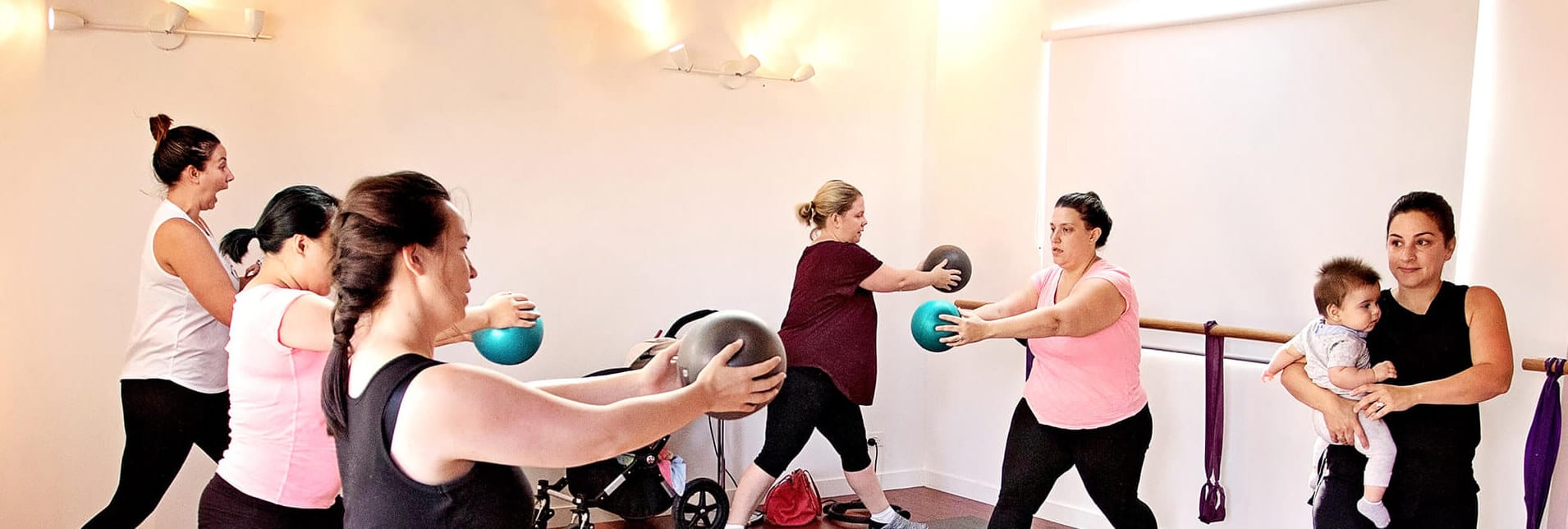
Local Physiotherapy in Melbourne
Women’s health physiotherapy is available at specialist clinics in Melbourne. In Fairfield and Carlton, Inform Physio provides post-natal rehabilitation for abdominal separation, pelvic floor recovery, and return to exercise.
Appointments do not require a GP referral. Care is tailored, evidence-based, and designed to help women feel strong and supported as they recover from pregnancy and birth.
FAQs
No. It is common and not harmful on its own, but it can lead to weakness, back pain, or poor function if untreated.
The goal is not always to close the gap fully but to restore strength and function. Many women feel strong and symptom-free even with a small gap.
Gentle pelvic floor and breathing exercises can start within days. Formal physiotherapy usually begins after the six-week post-natal check.
Not in the early stages. Sit-ups can increase pressure and worsen the gap. A physiotherapist can guide safe progressions.
Some women notice a persistent bulge, but with physiotherapy the appearance and function usually improve.
No. You can book directly. A physiotherapist may recommend seeing your GP if other issues are found.
Yes. Physiotherapy addresses both abdominal separation and scar healing, supporting safe return to movement.
Most women improve with physiotherapy. If symptoms remain severe, referral to a specialist may be needed.
Disclaimer
This article provides general information only. It is not a substitute for professional medical advice. Always consult a qualified health professional about your own situation.