
No products in the cart.
They are growing faster than they can keep up with, sitting more than any generation before them, and entering the years when habits get locked in for life. Pilates was not designed for teenagers. But it turns out to be remarkably well suited to them.
Here is a description of a typical thirteen-year-old’s week.
School, five days. Homework at a desk, most evenings. A phone, constantly. Sport, maybe, if they have not drifted away from it. A body that grew four centimetres over summer and now moves like it belongs to someone else.
The teenage years are a peculiar physical experience. Growth spurts, puberty and emotional development are all happening simultaneously, and they are happening inside a body that is increasingly being asked to sit still. Sporting commitments layer on top. Extra-curricular activities add more. And through all of it, the hours spent hunched over screens and study desks keep climbing.
Most conversations about teen fitness focus on sport, cardio or the gym. But there is a growing recognition among physiotherapists that what many teenagers actually lack is not fitness in the traditional sense. It is body awareness: the ability to understand where their limbs are in space, how to control movement, and how to use a rapidly changing body without injury or frustration.
That, as it happens, is exactly what Pilates teaches.
A window that does not stay open forever
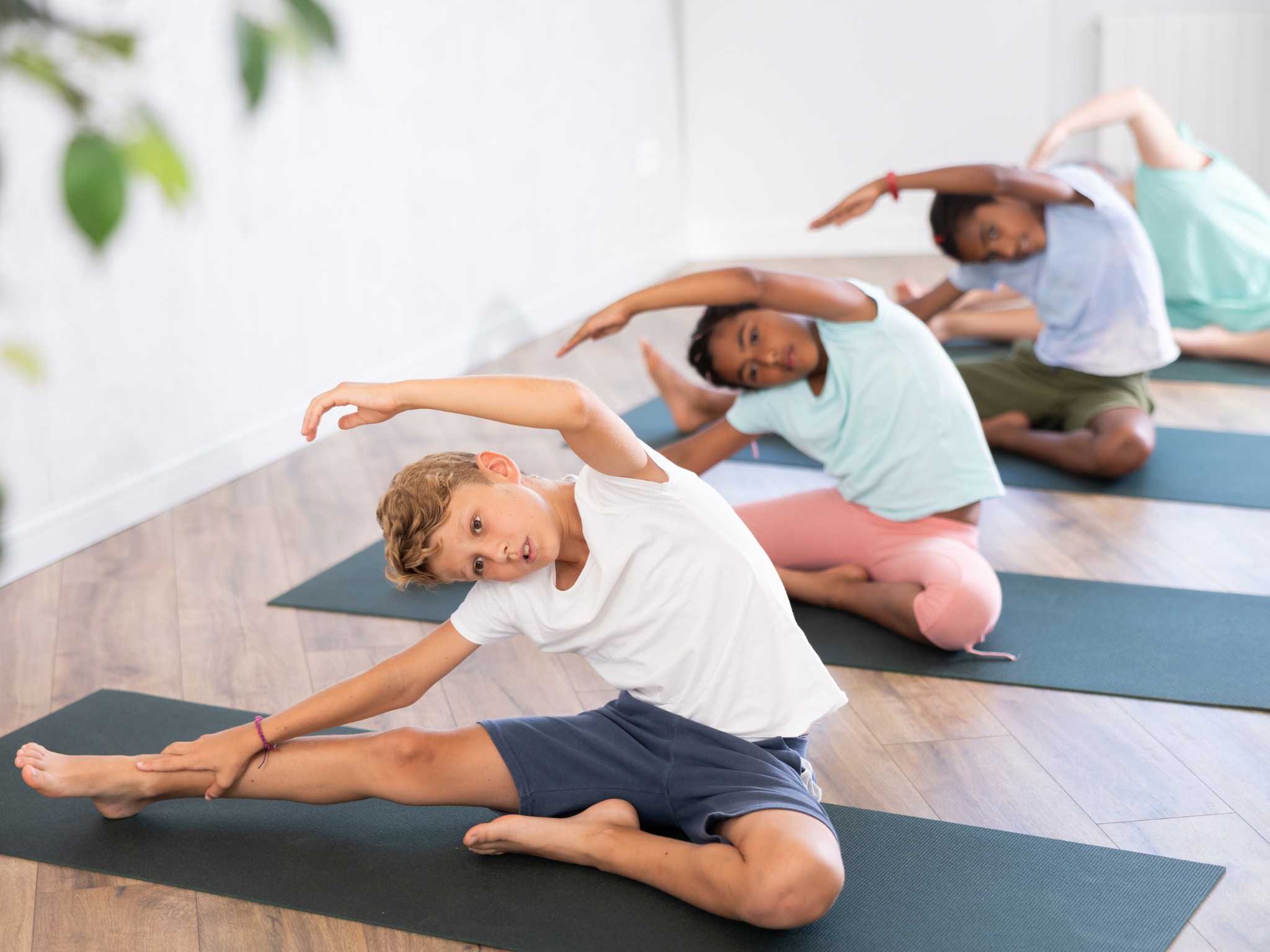
There is a neurological reason the early teenage years matter so much for movement. At the start of adolescence, both boys and girls are within their peak period for neurological development. The brain is particularly receptive to learning new movement patterns, and research suggests that learning effective, functional movement during this window can foster an improved perception of physical abilities (Marcus, 2003). In plainer language: teach a thirteen-year-old how their body works, and the lesson tends to stick.
Joseph Pilates understood this instinctively, decades before the research caught up. Writing in 1934, he argued that habits are easily formed in childhood, both good and bad, and that concentrating on good habits early avoids the far harder task of correcting bad ones later in life. He was talking about adults, really, and the cost of unpicking years of poor movement. But the logic applies perfectly to adolescence: the patterns set down now will shape how these bodies move for the next fifty years.
The age when girls stop moving
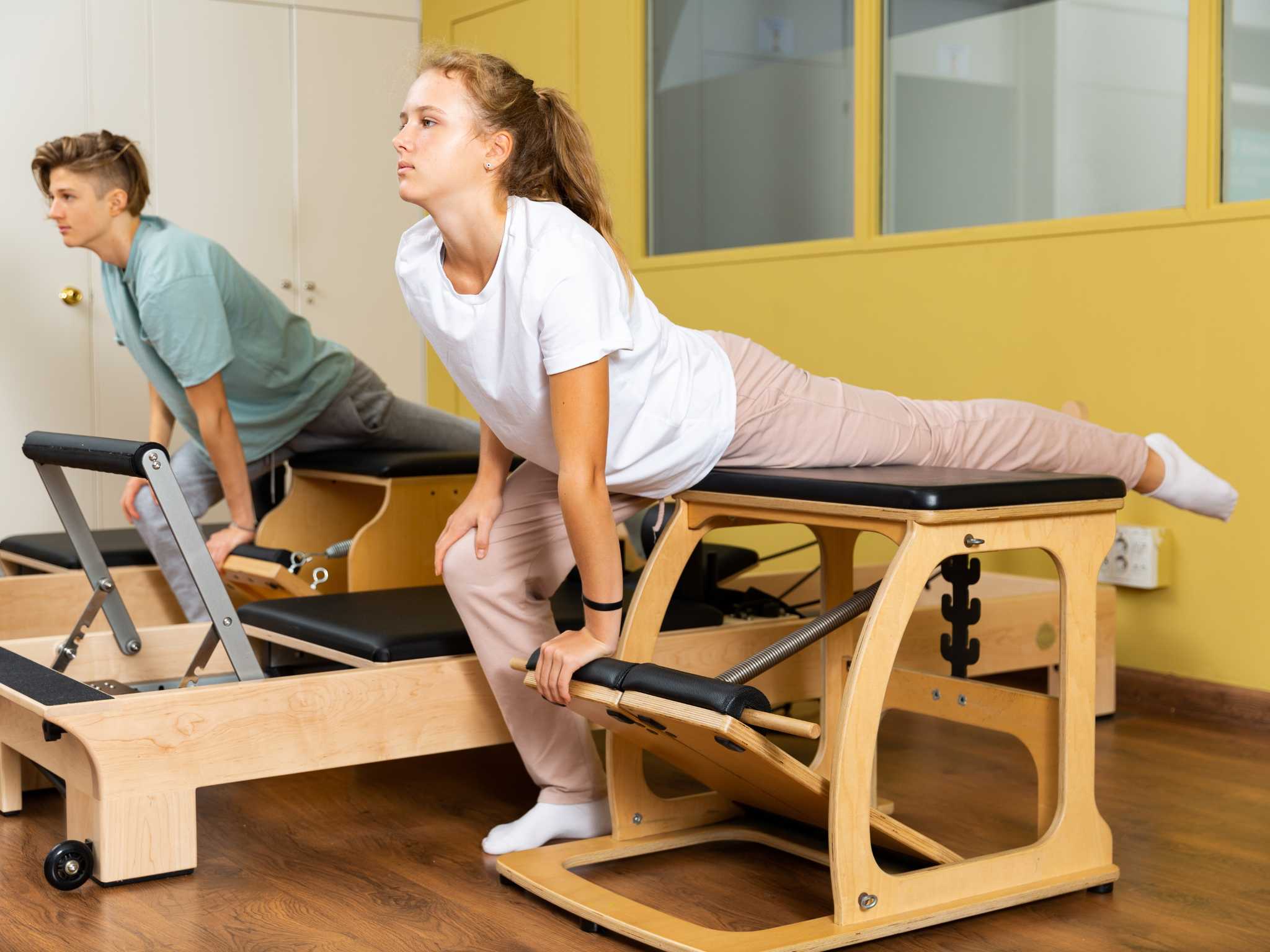
There is a statistic that should concern every parent of a daughter. Research suggests that girls tend to decrease or stop physical activity between the ages of eleven and fourteen (Liu, 2012). The reasons are complex and tangled up in self-consciousness, changing bodies, social dynamics and the competitive structures of most organised sport. But the consequence is simple: at the exact moment when movement matters most for long-term physical development, a significant number of girls step away from it.
Pilates offers something different. It is non-competitive. It focuses on functional movement skills rather than performance against others. It challenges and stimulates without requiring a teenager to be the fastest, the strongest or the most coordinated person in the room. For a young person who has been put off by the culture of traditional sport, that distinction can be the difference between staying active and stopping entirely.
And for the teenagers who already play sport
Pilates is not only for the ones who have drifted away from activity. For teenagers already committed to competitive sport, it serves a different and equally important purpose: injury prevention and body balance.
Most sports are one-sided. Tennis players develop dominant arms. Footballers favour a kicking leg. Swimmers repeat the same shoulder rotation thousands of times a week. That repetition builds skill, but it also builds imbalance. The more time a young athlete spends training and competing in a single sport, the more cross-training is needed to prevent overuse injuries and postural deviations. Pilates, with its emphasis on symmetry, core control and functional movement through full range, addresses exactly those imbalances.
The training techniques of specificity and cross-training can both be incorporated. Specificity means developing the movement skills a particular sport demands. Cross-training means restoring the balance that the sport takes away. A well-designed Pilates programme does both.
What teen Pilates looks like at a physio clinic
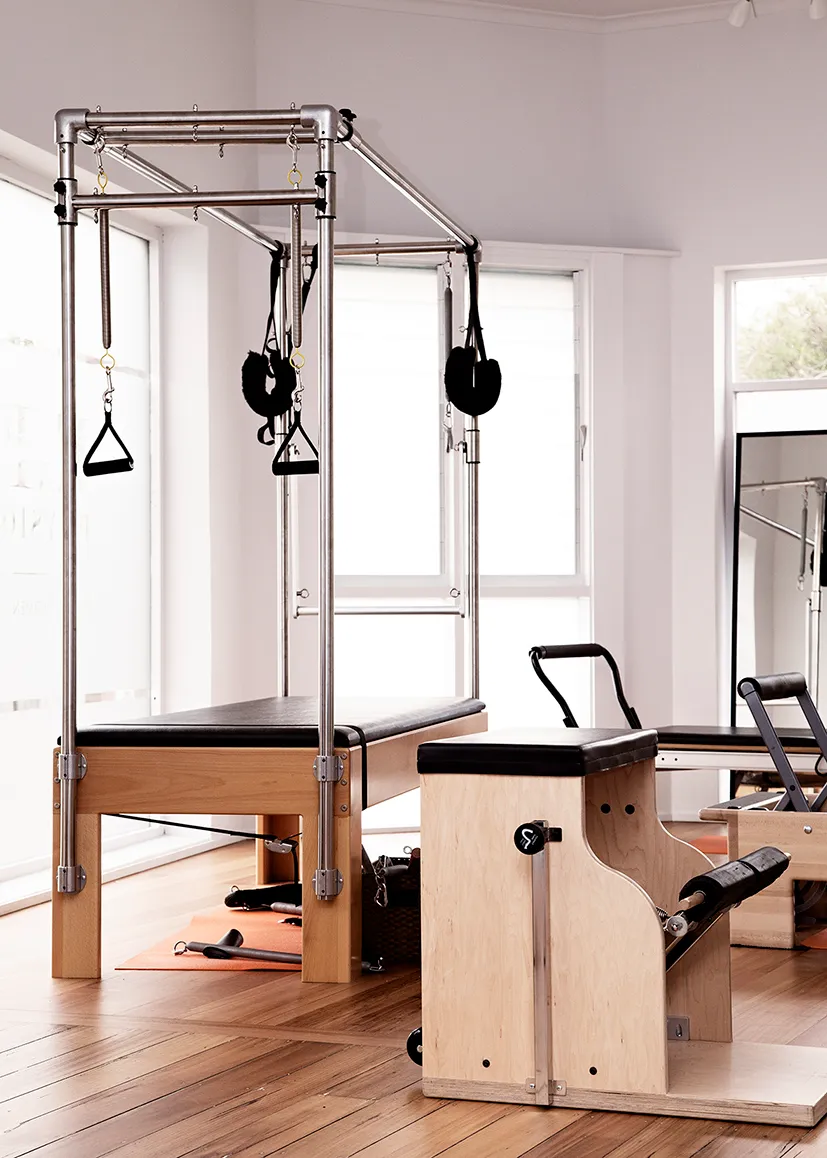
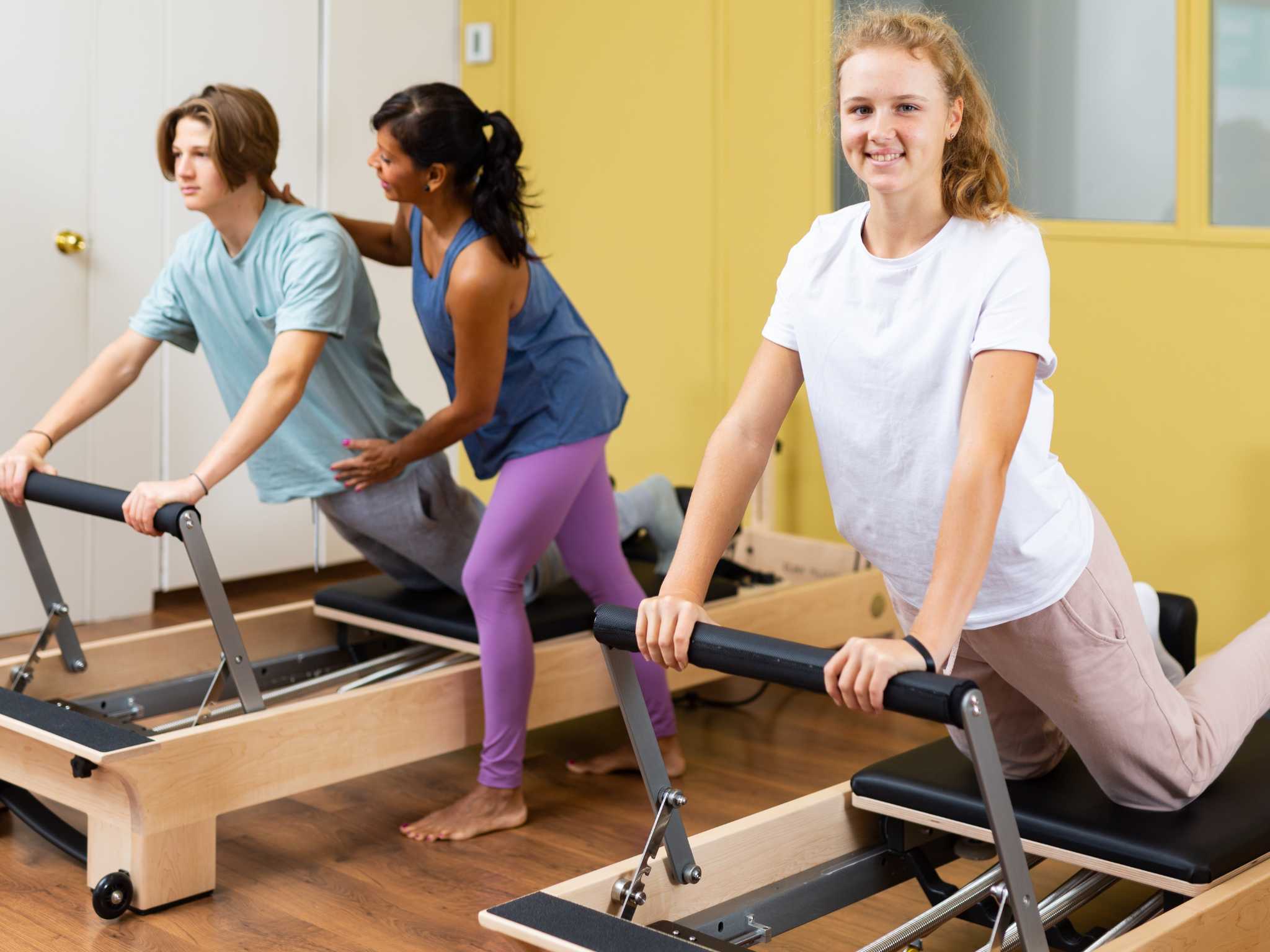
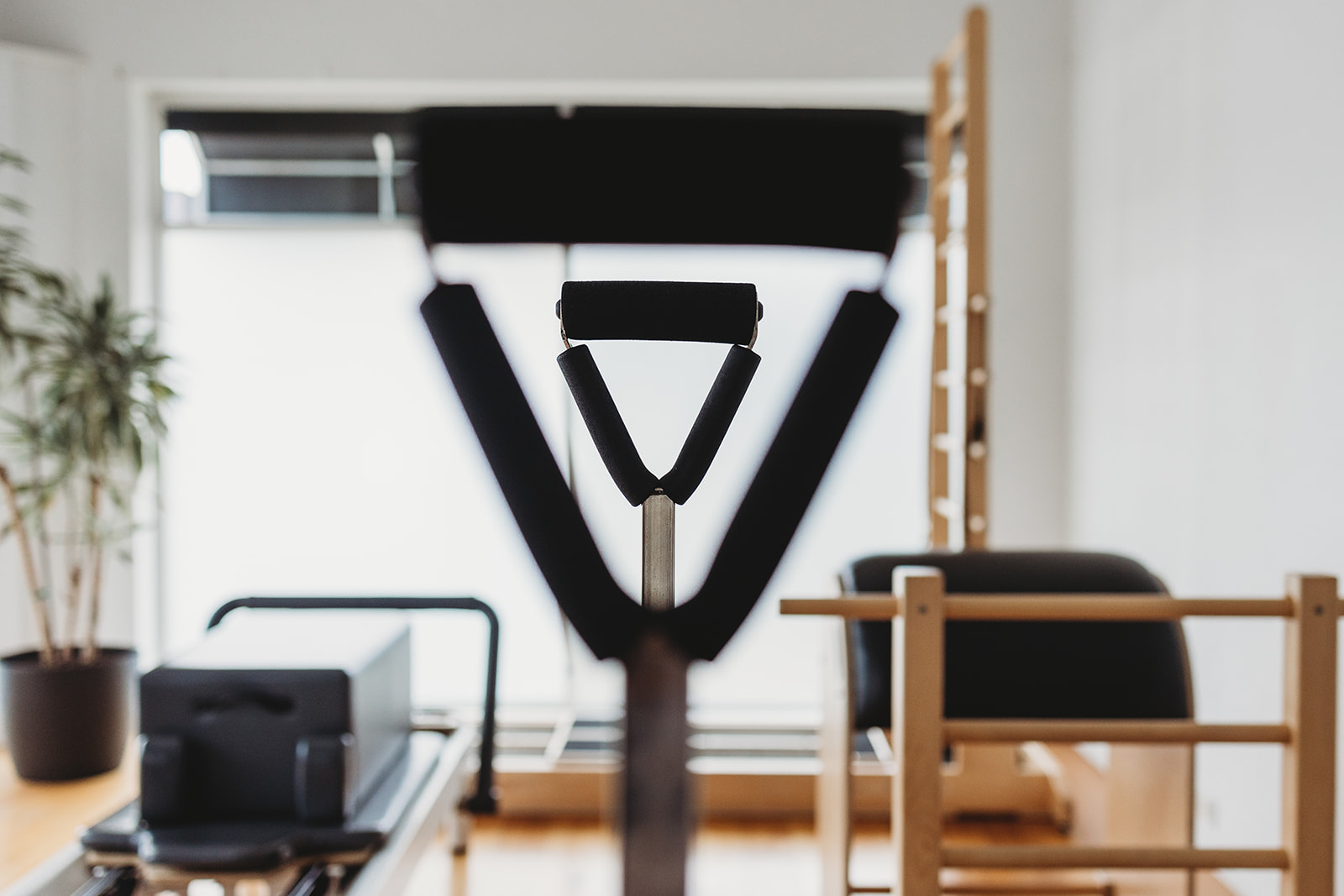
Inform Physiotherapy in Fairfield and Carlton runs dedicated teen Pilates sessions as part of their broader Clinical Exercise and Pilates programme. The clinical exercise sessions are taught by physiotherapists with additional Pilates certification, using specialised equipment including reformers, trapeze tables, wundachairs, springboards and core align machines, alongside props like rollers, bands and balls.
Sessions are available as solo, duo or small group formats of up to four participants with one instructor. Before any teenager joins a class, Inform requires an initial assessment with a physiotherapist to evaluate current posture, movement patterns and any previous or recurring injuries. Goals are set, outcome measures established, and if needed, real-time ultrasound is used to assess and teach correct core muscle activation. A follow-up individual session develops and teaches the exercise programme before the teenager moves into group work.
That onramp matters. A teenager walking into a Pilates class cold is just a teenager in a room with unfamiliar equipment. A teenager who has been assessed, given a plan, and taught the fundamentals one-on-one arrives understanding what their body is doing and why. The difference in engagement, and in results, follows from there.
What parents actually notice
The benefits Inform lists for Clinical Exercise and Pilates read like a wish list for the parent of any teenager: increased strength and flexibility, improved postural and body awareness, better balance, coordination and circulation, and improved performance in sport. But the change parents are more likely to notice first is subtler than any of those. It is a teenager who stands a little straighter. Who complains less about a sore back after homework. Who moves with a bit more confidence in a body that, until recently, felt like it belonged to a stranger.
There is nothing flashy about that. It does not make a highlight reel. But for a young person navigating the most physically turbulent years of their life, learning to control and trust their own body is one of the most useful skills anyone can hand them.
How to get started
| Detail | Info |
|---|---|
| Service | Clinical Exercise and Pilates (teen sessions available) |
| Taught by | Physiotherapists with Pilates certification |
| Equipment | Reformers, trapeze tables, wundachairs, springboards, core align and props |
| Session formats | Solo (1:1), duo (2:1) or small group (4:1) |
| First step | Initial assessment with a physiotherapist, then an individual session to develop the programme |
| Health fund rebates | Private health insurance claims available under item code 560 |
| Fairfield | 87 Arthur Street, Fairfield 3078 |
| Carlton | 54 Elgin Street, Carlton 3053 |
| Phone | 03 9481 6312 |
| Book online | informphysio.com |
The teenage body is a work in progress. It is growing, adapting, and locking in the movement habits that will carry it through the next several decades. The question for parents is not whether their teenager needs to move. It is whether the movement they are doing, or not doing, is teaching their body the right lessons at the right time.
Pilates will not make a teenager cool. But it might make them comfortable in their own skin, which, at fourteen, is worth a great deal more.
Pilates will not make a teenager cool. But it might make them comfortable in their own skin, which, at fourteen, is worth a great deal more.
This article is general information only and does not replace individual medical advice. Consult a qualified physiotherapist or healthcare provider before starting a new exercise programme.