
No products in the cart.
Pilates has become one of the most popular ways to build core strength, improve posture and manage pain. But walk into any class and you’ll quickly notice that not all Pilates is the same.
Some sessions feel like fitness workouts. Others are slower, more precise and tailored to your body’s needs. These differences often come down to whether you’re doing clinical Pilates or gym Pilates — and understanding which one suits you can make all the difference to your results.
Where Pilates Began
Pilates was created by Joseph Pilates in the early 20th century to help people recover from injury through controlled, mindful movement. Over time, it evolved into two main forms:
Both share the same foundations, but their purpose and supervision differ.
The Focus of Clinical Pilates
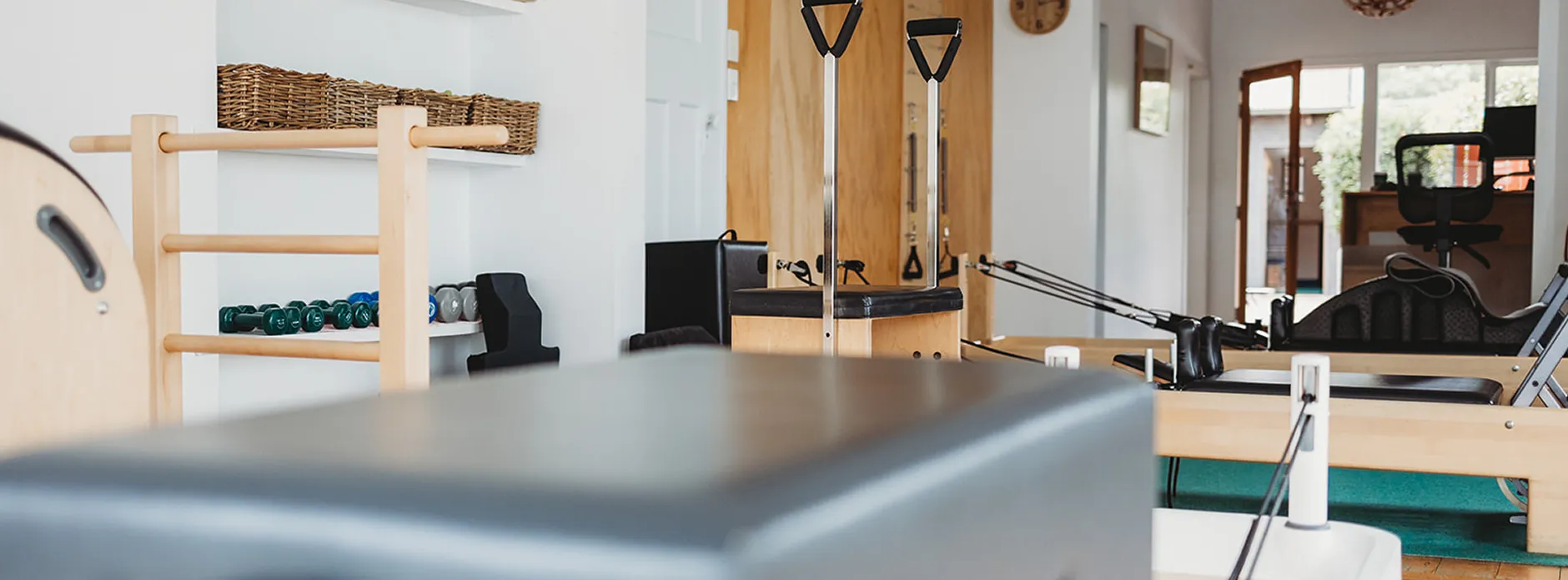
Clinical Pilates is used by physiotherapists to help people move better and feel stronger after injury, surgery or chronic pain. It begins with an individual assessment to understand posture, breathing and how your muscles activate. Every exercise is then tailored to what your body needs most.
You might use a reformer, mat or small equipment, but the focus is always on control and precision. Progress is gradual and measurable.
At Inform Physio in Fairfield, these programs often form part of rehabilitation plans for people returning to activity or managing conditions such as back pain, pelvic pain or muscle weakness.
How Gym Pilates Differs
Gym or studio Pilates usually follows a set sequence of exercises, with an emphasis on fitness and endurance rather than rehabilitation. It can be an excellent way to stay active once your body is ready, especially if you enjoy group motivation and faster-paced sessions.
However, group classes often can’t adjust for injuries, pain or unique movement patterns. That’s where clinical supervision matters. If a movement is too strong or too quick, it can reinforce poor habits or strain vulnerable joints.
However, group classes often can’t adjust for injuries, pain or unique movement patterns. That’s where clinical supervision matters. If a movement is too strong or too quick, it can reinforce poor habits or strain vulnerable joints.
When Each Type Works Best
| Goal | Best Approach | Why It Helps |
|---|---|---|
| Recovering from pain or injury | Clinical Pilates | Exercises are modified to rebuild strength safely under physiotherapist guidance |
| Building core fitness and flexibility | Gym Pilates | Great for overall tone and stamina once cleared for higher-level activity |
| Preventing future injury | Clinical Pilates | Identifies weak or overactive muscles and corrects movement patterns |
| Social exercise and general wellbeing | Gym Pilates | Encourages consistency and enjoyment through group settings |

Why Supervision Matters
Physiotherapists are trained to identify subtle compensations in how you move, such as overusing one side of the body or gripping the neck instead of the core. This expertise ensures that your Pilates practice actually supports the areas that need it most.
Clinical Pilates also allows adjustments for:
That’s why physiotherapist-led sessions are often recommended before joining a regular class. Once you’ve built a solid foundation, moving into gym Pilates can be both safe and rewarding.
Real Results Take Time
It’s a common misconception that you need to “feel the burn” for exercise to work. In reality, progress in Pilates comes from repetition, awareness and gradual load.
Over several weeks, people often notice better posture, smoother breathing and less pain in everyday tasks such as sitting, bending or walking. Those small improvements are signs that your muscles are starting to work together more efficiently — the essence of good movement.
How to Know What’s Right for You
If you’re dealing with pain, recovering from injury or simply want expert guidance, start with a clinical Pilates assessment. If you’re already moving well and looking to stay active, a local studio or gym class may be ideal.
Many people choose to alternate between both — using clinical sessions for precision and gym classes for variety.
The Local Picture
In Fairfield and surrounding areas, Pilates has become part of everyday health routines. Many people start with a physiotherapist to learn correct technique before joining local studios or continuing at home.
This approach creates a pathway from rehabilitation to independence, reducing the chance of setbacks while building lasting confidence in movement.
Finding Your Potential
Every Pilates journey is personal. Some come for back pain, others for posture, and some simply to stay strong.
What matters most is that the exercises are right for your body and that you understand why you’re doing them.
Whether you’re starting out or returning after a break, the most effective programs are those that combine expert guidance with consistency — and that’s where clinical Pilates truly unlocks potential.
FAQs about Pilates
No. It’s also ideal for improving strength, balance and core control before problems develop.
Yes. Many people use clinical sessions for precision and gym classes for general fitness.
Two to three sessions a week is ideal for most people. Consistency matters more than duration.
Not necessarily. Reformers are used in both settings, but the clinical version focuses on assessment and personalised exercise prescription.
Absolutely. Pilates improves balance, coordination and joint mobility — key factors in preventing falls and maintaining independence.
Further Reading
- Australian Physiotherapy Association (APA). Clinical Pilates in Rehabilitation. Retrieved 2024.
- Royal Australian College of General Practitioners (RACGP). Exercise and Physical Activity in General Practice. 2023.
- World Health Organization (WHO). Global Recommendations on Physical Activity for Health. 2023.
Disclaimer
This information is general and does not replace professional medical advice. Always consult a qualified physiotherapist before starting or changing your exercise program.
For more information, Talk to us at Inform Physio