
No products in the cart.
It often starts the same way. A long day on your feet. Maybe a gym session earlier, or a walk around the park with the dog. By early evening there is a sense of heaviness low in the pelvis, a dragging feeling, maybe the awareness of something that was not there before. You sit down. It eases. You get up in the morning and it is gone. A few weeks later, it is back.
Pelvic organ prolapse is common, often private, and in most cases there is more that can be done about it than women initially expect. According to Continence Health Australia, around 1 in 2 women who have given birth will experience some form of prolapse, though only about 1 in 5 have symptoms that prompt them to seek help.
At Inform Physio, women's pelvic health physiotherapy is one of the practice's core services, offered across its Fairfield and Carlton clinics. Many women arrive unsure whether what they are noticing is serious, whether it is permanent, or whether there is anything they can do about it short of surgery.
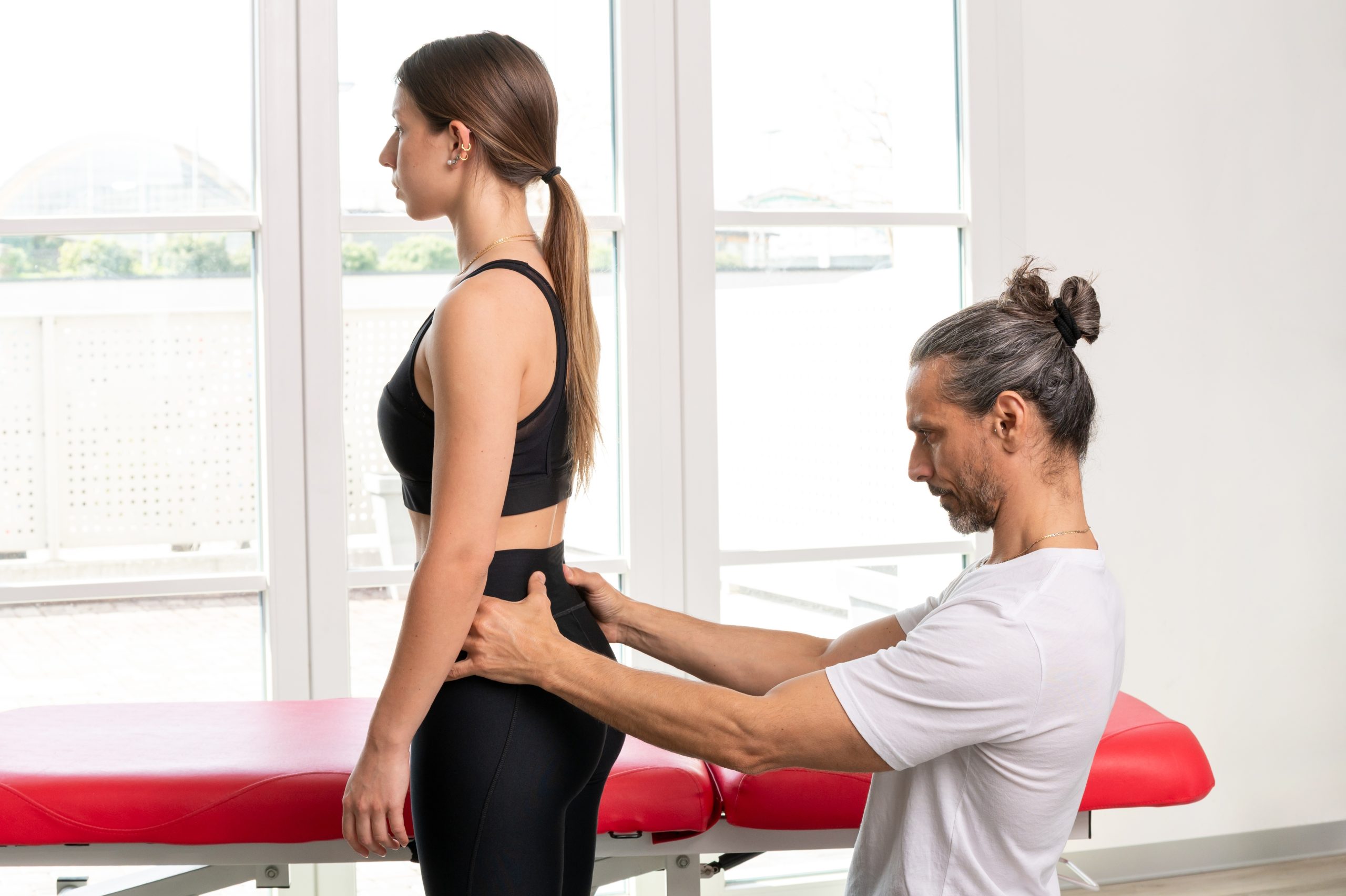
What does pelvic organ prolapse feel like?
Prolapse happens when one or more of the pelvic organs, the bladder, bowel, or uterus, descend from their usual position because the muscles and supporting tissues of the pelvic floor have been stretched, torn, or weakened. Some women never feel symptoms. Others describe a cluster of sensations that get worse as the day goes on and ease with lying down.
Common signs include:
- Heaviness or dragging in the pelvis. Often worst in the evening, particularly after standing, walking, or lifting.
- A visible or palpable bulge. Some women notice a soft lump at the entrance to the vagina, particularly when showering or using the toilet.
- Difficulty fully emptying the bladder or bowel. The prolapse can physically block the passage of urine or stool.
- Needing to splint. Using a finger to push part of the vaginal wall back to complete a bowel motion is common with rectocele.
- Urinary urgency or incontinence. Bladder symptoms often overlap with prolapse.
- Discomfort during sex. Not in every case, but common enough that it is worth raising with a clinician.
- A dull lower back ache. Usually described as heaviness rather than sharp pain.
Symptoms often worsen at the end of the day, during or after exercise, and in the days before a period, then improve after a night's sleep.
What are the three main types of prolapse?
Prolapse is classified by which organ has descended. More than one type can be present at the same time.
- Bladder prolapse (cystocele). The bladder drops into the front wall of the vagina. This is the most common type and often presents first as difficulty emptying or urinary urgency.
- Bowel prolapse (rectocele). The rectum pushes into the back wall of the vagina. Bowel emptying difficulty is usually what brings women in.
- Uterine prolapse. The uterus itself descends into the vaginal canal. In more advanced cases the cervix can be felt at or near the opening of the vagina.
Vault prolapse can also occur after a hysterectomy, when the top of the vagina descends. It is less common but worth knowing about if you have had that surgery and are noticing new symptoms.
What causes prolapse?
The strongest single risk factor is vaginal childbirth, though it is not the only one.
- Childbirth, particularly assisted vaginal delivery. Forceps and ventouse deliveries carry higher risk than unassisted vaginal births, and multiple vaginal births raise the risk further. Caesarean birth reduces but does not eliminate the risk.
- Chronic constipation and straining. Pushing hard on the toilet over years places repeated downward pressure on the pelvic floor.
- Chronic cough. Asthma, chronic bronchitis, and long-term smoking-related cough all repeatedly load the pelvic floor.
- Heavy lifting. Particularly without engaging the core and breathing well. This matters in manual work, in the gym, and in caring for small children or ageing parents.
- Menopause. Falling oestrogen thins the tissues of the vaginal wall and pelvic floor, which can unmask prolapse that was previously subclinical.
- Genetics and connective tissue conditions. Women with hypermobility, Ehlers-Danlos syndrome, or a family history of prolapse tend to develop it earlier or more severely.
- Higher body weight. Additional abdominal weight increases downward pressure on the pelvic floor.
Most women present with a combination of factors rather than a single cause.
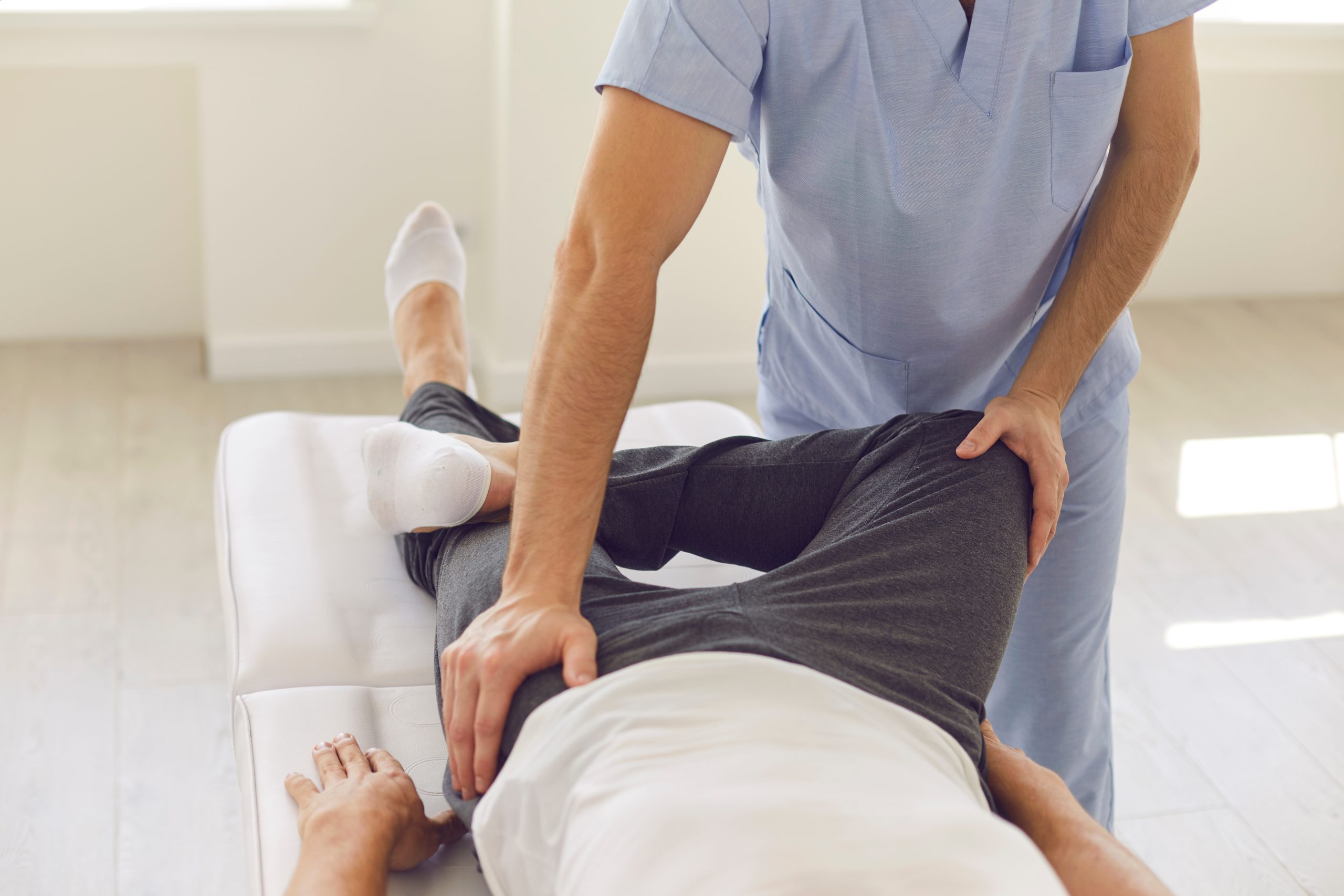
What happens at a pelvic floor assessment for suspected prolapse?
If the symptoms above sound familiar, the next step is a pelvic floor assessment with a specialist-trained physiotherapist. A fuller description of a first appointment sits on the Inform Physio blog. The elements specific to a prolapse assessment are these:
- A conversation first. The physiotherapist asks about symptoms, birth history, bladder and bowel habits, exercise, and what the prolapse is stopping you from doing. This often takes 15 to 20 minutes on its own.
- External examination. Observing the pelvic floor with and without contraction, to check what the muscles are doing.
- Internal examination, with consent. Typically done with one gloved finger, this checks the strength, endurance, and coordination of the pelvic floor muscles and assesses the degree of prolapse. The examination can be stopped at any point.
- Grading the prolapse. Most pelvic health physiotherapists in Australia use the Pelvic Organ Prolapse Quantification (POP-Q) system, which grades prolapse from 0 (no descent) to 4 (maximum descent). The grade is how progress is measured over time and how your physiotherapist communicates with your GP or gynaecologist if needed.
- Treatment plan discussion. Based on the assessment, the physiotherapist talks through what is recommended, the likely number of sessions, and what you can expect to change.
Can physiotherapy fix prolapse?
This is the question most women arrive with, and the honest answer has two parts.
Physiotherapy does not reverse the structural descent of more advanced prolapse. If the bladder has dropped a certain distance through torn fascia, no amount of pelvic floor muscle training will lift it back to its original anatomical position.
Symptoms, however, can often be substantially improved, and in milder cases the anatomical grade itself can improve. A 2014 multicentre randomised controlled trial led by Professor Suzanne Hagen and colleagues at Glasgow Caledonian University (the POPPY trial) found that women with stage I, II, or III prolapse who received individualised pelvic floor muscle training reported significantly greater symptom improvement than those given lifestyle advice alone. The Cochrane Review on conservative management of pelvic organ prolapse, most recently updated in 2011, reached a similar conclusion for mild to moderate cases: pelvic floor muscle training increased the likelihood of an improvement in prolapse stage by around 17 per cent compared to no training.
Physiotherapy for prolapse typically involves:
- Pelvic floor muscle training. Individualised to what the assessment showed. Generic Kegel instructions from an app are not usually matched to a specific pelvic floor's needs.
- Behavioural changes around bowel habits. Stopping straining, managing constipation, and learning a better toilet position often reduces symptoms within weeks.
- Lifting and loading technique. How to breathe and brace during exercise and daily life so the pelvic floor is not repeatedly overloaded.
- Return-to-exercise guidance. Particularly after birth, or after a prolapse diagnosis for women who want to keep running, lifting, or playing sport.
- Pessary assessment where appropriate. A pessary is a removable silicone device fitted into the vagina to support prolapsed organs.
Women with more severe prolapse, or those whose symptoms do not improve with conservative management, may benefit from surgical options discussed with a urogynaecologist.
When is surgery considered?
Surgery for prolapse is a urogynaecology decision, not a physiotherapy one. It is generally considered when:
- Conservative management (physiotherapy, pessary, lifestyle changes) has been tried and symptoms remain significant.
- The prolapse is stage 3 or 4 and affecting daily function.
- There are complications such as recurrent urinary tract infections, bowel obstruction, or ulceration of exposed tissue.
Even when surgery is being planned, pelvic floor physiotherapy before and after the procedure can support recovery. It is not an either/or decision. Many women work with both a surgeon and a physiotherapist over the course of treatment.
It is worth knowing, per Continence Health Australia, that around 1 in 3 women who have surgery for prolapse will experience a recurrence later in life. That figure is not meant to discourage surgery where it is clinically needed. It is meant to reinforce why ongoing pelvic floor care matters either way.
Frequently asked questions
Prolapse itself is not life-threatening. It can be uncomfortable, disruptive, and distressing, but in most cases it is not medically urgent. The exceptions are when a prolapse protrudes entirely outside the body and develops ulceration, or when it causes significant bladder or bowel emptying difficulty. Any of these warrant a prompt GP or gynaecology review.
Usually not, though technique and load matter. Heavy loaded exercise with poor breathing and bracing can increase downward pressure on the pelvic floor. Walking, swimming, pilates, and most resistance training can continue through a prolapse diagnosis, often with modifications. Part of a physiotherapy plan is usually working out what you can keep doing, not what you have to stop.
Individual response varies. The POPPY trial measured outcomes at six months of supervised training, but symptom change often begins earlier. Some women notice a shift within weeks of adjusting bowel habits and learning to activate the pelvic floor effectively. Others need several months of consistent work.
In Australia, no GP referral is required to see a physiotherapist. If you have a GP-managed chronic disease plan, however, a referral may entitle you to Medicare rebates for a limited number of sessions. It is worth asking your GP whether this applies to you.
Yes. Prolapse is a condition that can change over a lifetime, particularly through menopause and the years that follow. Many women manage well for years with pelvic floor training and behavioural changes, then notice a shift when oestrogen drops. Ongoing pelvic floor care, and reassessment when symptoms change, is usually more useful than a single course of treatment.
Where to from here
If you have been noticing symptoms that fit what you have read here, booking a pelvic health assessment is a straightforward next step. Inform Physio offers specialist pelvic health physiotherapy at its Fairfield and Carlton clinics. An initial appointment gives you a clear picture of what is going on, a POP-Q grading if a prolapse is present, and a plan tailored to your history and what you want to keep doing. Book online at informphysio.com or call the clinic directly.