
No products in the cart.
Most people have heard that Pilates builds core strength and that physiotherapy helps with injury recovery. What many don’t realise is that the two disciplines often overlap. When combined, they create one of the most effective ways to rebuild movement, manage pain and maintain long-term physical health.
At Inform Physio in Fairfield, this combination of physiotherapy and Pilates underpins many treatment programs — from post-injury rehabilitation to improving balance, posture and everyday strength.
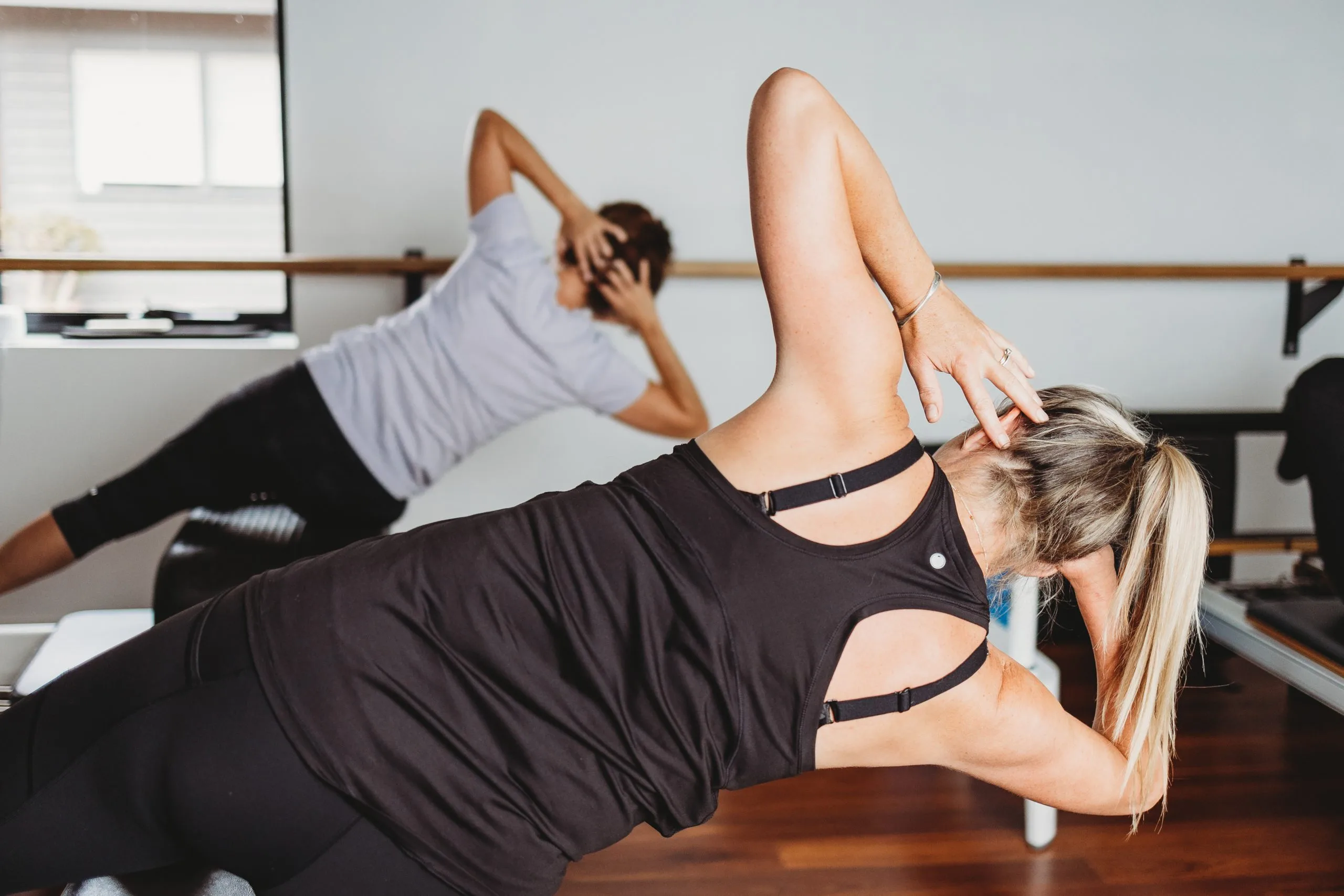
What Makes Pilates Different from Physiotherapy
Pilates was originally developed to improve control, flexibility and body awareness. It’s now used widely in fitness and rehabilitation settings. Physiotherapy, by contrast, is a regulated healthcare profession that focuses on assessing and restoring movement using evidence-based methods.
The difference lies in the goal:
In a clinical environment, these approaches meet in the middle — and that’s where the best results often happen.
Clinical Pilates Explained
Clinical Pilates is not a general exercise class. It is guided by a physiotherapist who tailors each exercise to your needs and monitors progress over time. Sessions may involve reformer machines, mats, resistance bands or body-weight control, but every movement is selected with a purpose.
Common goals include:
By focusing on movement quality rather than intensity, clinical Pilates helps the body learn efficient, pain-free patterns that carry into daily life.
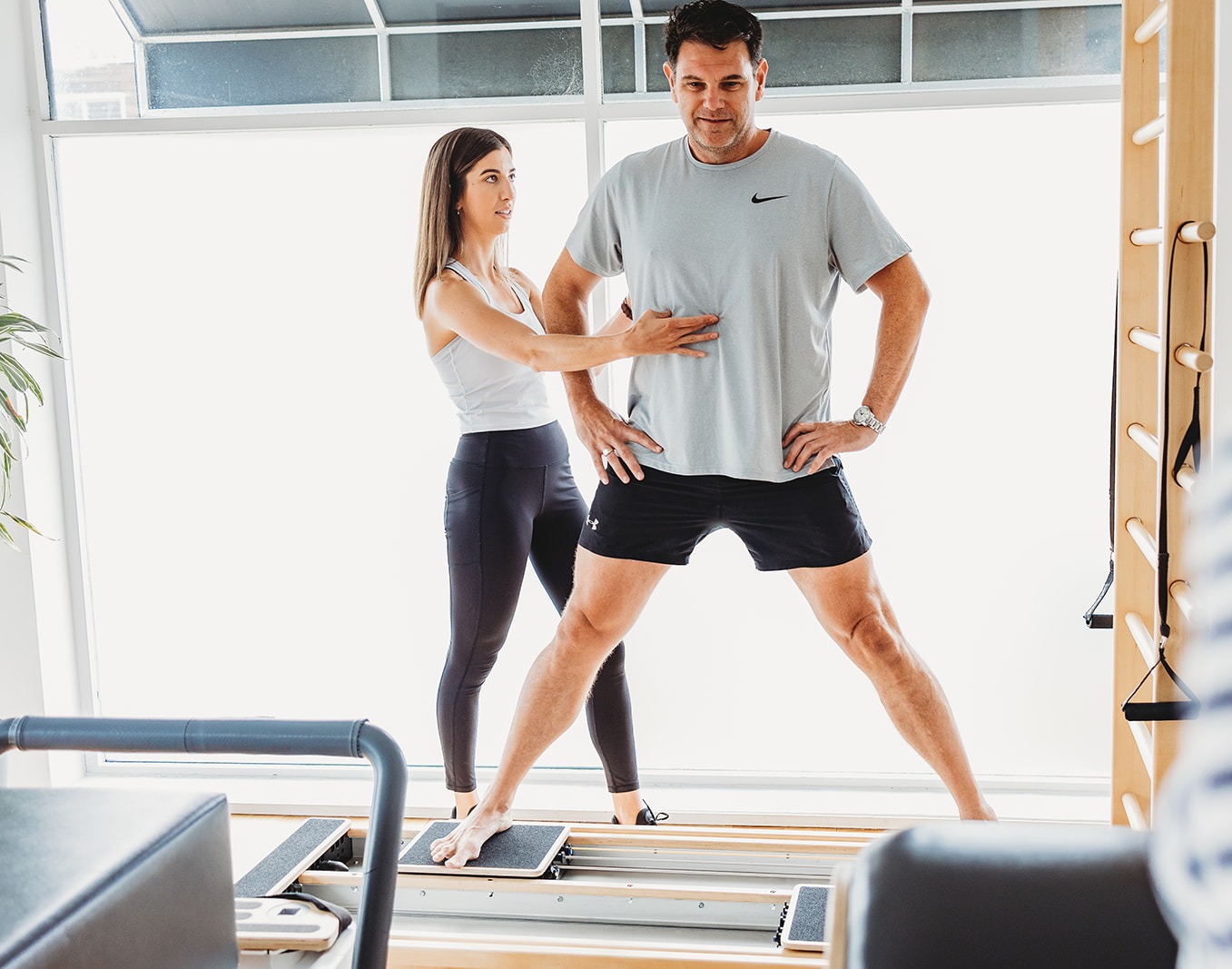

Why Physiotherapists Use Pilates
Physiotherapists use Pilates-based exercises to complement manual therapy and targeted rehabilitation. The principles of alignment, breathing and controlled movement support recovery without aggravating symptoms.
A physiotherapist may introduce Pilates when:
This progression bridges the gap between medical treatment and independent fitness.
How Physio and Pilates work together
| Phase | Role of Physiotherapy | Role of Pilates |
| Early Recovery | Diagnose the issue, reduce pain, restore mobility | Gentle activation and breathing awareness |
| Strength Phase | Target weak or inhibited muscles | Controlled strengthening and stability training |
| Functional Integration | Correct posture and everyday movement | Whole-body conditioning for daily tasks |
| Long-Term Maintenance | Review, adjust and educate | Ongoing exercise for resilience and confidence |
This integration means you can continue improving strength and control long after your initial pain has settled.
The Role of Breathing and Core Control
Breathing is more than relaxation. It’s central to how the core and pelvic floor function. Physiotherapists teaching Pilates often focus on how the diaphragm, deep abdominal muscles and pelvic floor work together to stabilise the spine.
A good Pilates program trains you to:
When these systems coordinate properly, you move with less strain and more power.
Who Benefits Most?
The combined approach is useful for:
Each person starts at a different level, but progress is measured through improved movement control, strength and confidence rather than weight or appearance.
A Safer Path Back to Exercise
Returning to exercise after injury or pregnancy can feel uncertain. Clinical Pilates supervised by a physiotherapist provides reassurance that movements are safe and tailored to your recovery stage.
Many people continue Pilates beyond their rehabilitation phase because it supports better performance in other activities such as walking, cycling, swimming or gym workouts.
Evidence Behind the Method
Research supports Pilates as an effective tool for:
Studies published by the Australian Physiotherapy Association and international journals consistently show that combining physiotherapy assessment with Pilates-based exercise produces better functional outcomes than general exercise alone.

Inside a Session at Inform Physio
Sessions at Inform Physio begin with a detailed assessment by a qualified physiotherapist. They review your posture, muscle activation and breathing patterns, then design a program suited to your needs.
Exercises are adjusted progressively as you improve, ensuring that each movement builds confidence and control rather than fatigue or pain.
Group and individual options are available, with sessions held in a calm, supportive environment where education is as important as exercise.

Why This Approach Builds Real Results
This partnership of physiotherapy and Pilates helps prevent recurrence of pain, restores natural movement and supports healthy ageing.
FAQs
No. Clinical Pilates is prescribed and supervised by physiotherapists. It is specific to your injury or goals rather than a general workout.
Yes, provided you start under the guidance of a physiotherapist. Exercises will be modified to your level of comfort.
Most people notice improvement within a few weeks. Your physiotherapist will review progress and recommend a plan suited to your condition.
Absolutely. It’s a safe, gentle way to maintain strength and support the pelvic floor before and after birth.
No referral is required. You can book directly with a physiotherapist who specialises in Pilates-based rehabilitation.
Further Reading
Australian Physiotherapy Association
Royal Australian College of General Practitioners Musculoskeletal Health Guidelines
For more information, Talk to us at Inform Physio
Disclaimer
This article provides general information and does not replace professional medical advice. Always consult a qualified physiotherapist for personalised assessment and guidance.
For more information, Talk to us at Inform Physio