
No products in the cart.
Pelvic floor changes are one of the most common concerns during pregnancy. Many people worry about bladder leakage, pelvic heaviness or how their pelvic floor will cope with labour. There is a lot of advice available, but not all of it is accurate or useful. This article explains what the research says, what actually works, and when to begin pelvic floor training for the best outcomes.
Why the pelvic floor changes in pregnancy
The pelvic floor works hard during pregnancy. These muscles help control the bladder and bowels, support the pelvic organs and assist with posture and breathing. As pregnancy progresses, the body produces hormones that soften ligaments and connective tissue. The growing baby increases pressure on the pelvic floor. Posture shifts to accommodate this load.
These changes are normal, but they can lead to symptoms such as:
Understanding these changes allows physiotherapists to tailor effective strategies for support and strength.

What research says about pelvic floor training in pregnancy
Studies since 2020 consistently show that structured pelvic floor training during pregnancy offers clear benefits. Large reviews have found that supervised pelvic floor muscle training can reduce the chance of urinary leakage during pregnancy and in the months after birth. Research also shows that people who learn to relax the pelvic floor as well as contract it often feel more confident during labour and early recovery.
These benefits come from learning correct technique, improving muscle awareness and matching exercises to individual needs rather than doing a generic routine.
What works: evidence supported approaches
The most effective pelvic floor training in pregnancy includes:
A physiotherapist can identify whether a person has weak muscles, tight muscles or both. This matters because each pattern requires different treatment. A one size fits all approach does not work for pelvic floor health.
What does not work
Some strategies are less effective or may even worsen symptoms. These include:
Pelvic floor training should feel accessible, achievable and free from discomfort.
When to start pelvic floor training
Pelvic floor training can begin at any stage of pregnancy. Many people start early to learn good habits, while others wait until symptoms appear. Physiotherapists often recommend starting once there is enough awareness to coordinate breathing and posture comfortably.
A typical timeline may look like this:
early pregnancy: learn awareness, gentle activation and relaxation
mid pregnancy: progress to endurance and functional strength
late pregnancy: focus on relaxation, breathing and labour preparation
Starting earlier can help build confidence, but it is never too late to begin.
How pelvic floor training supports daily life in pregnancy
Pelvic floor strategies are most effective when used during everyday activities. This can include:
Small changes often make significant differences to comfort.

How Inform Physiotherapy supports prenatal pelvic floor health
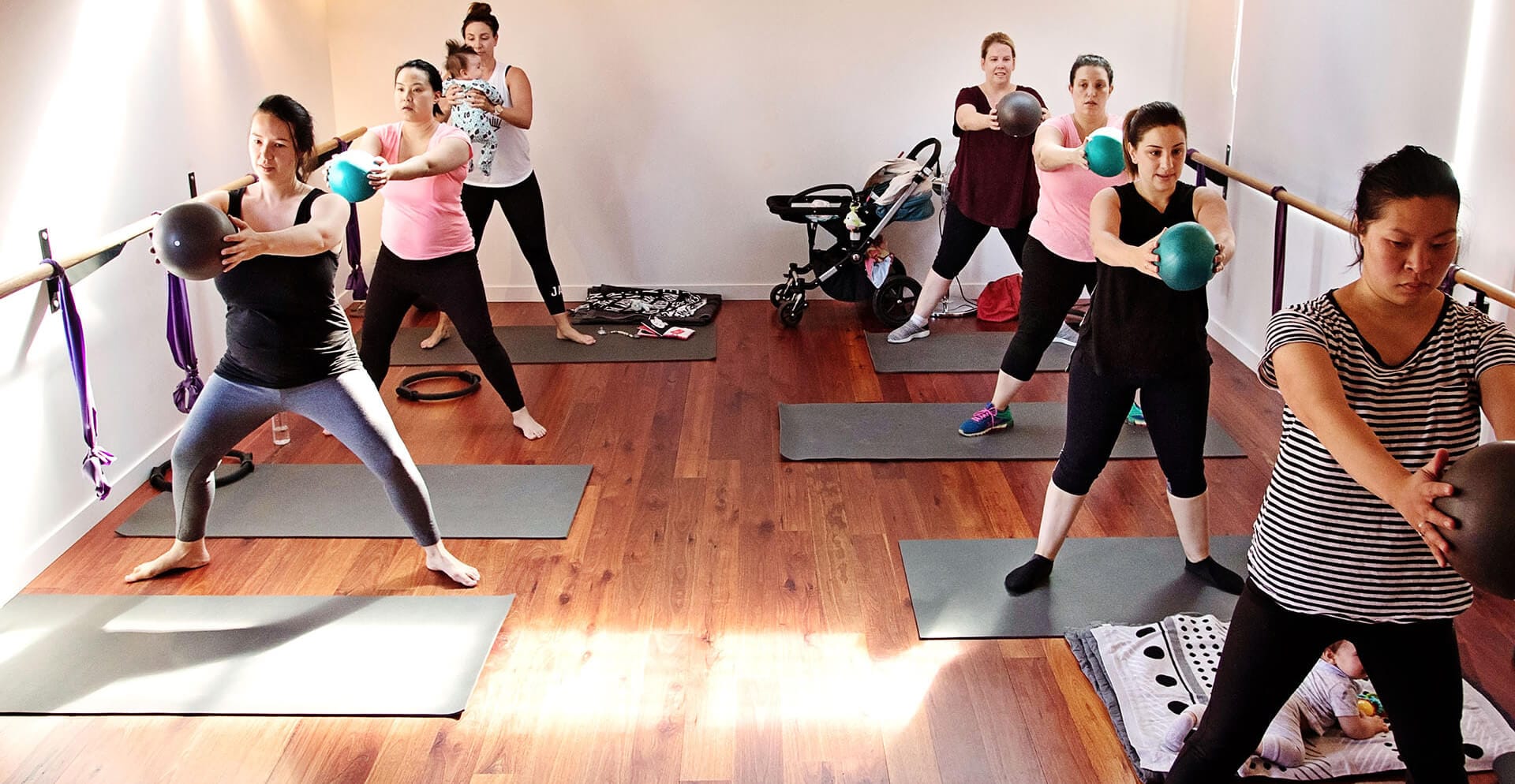
Inform Physiotherapy offers pregnancy specific pelvic floor assessment and training. Each session includes:
The goal is to build strength, confidence and practical skills that support pregnancy, birth and life with a newborn.