
No products in the cart.
The weeks after giving birth bring enormous change. Your body is healing, sleep is short, and priorities shift. Amid it all, many new mothers wonder when it’s safe to move again.
The truth is that returning to exercise after birth isn’t about bouncing back. It’s about rebuilding from the inside out — regaining confidence, control and comfort at a pace that suits your recovery.

Why Gentle Movement Matters Early On
In the first few weeks, your body is still adapting. Hormones that helped prepare you for birth remain active, your joints are looser and your core muscles are weaker. Light movement such as walking or breathing exercises can help circulation, reduce swelling and improve mood.
Physiotherapists recommend focusing first on:
These foundations make later exercise safer and more effective.
How the Pelvic Floor Fits In
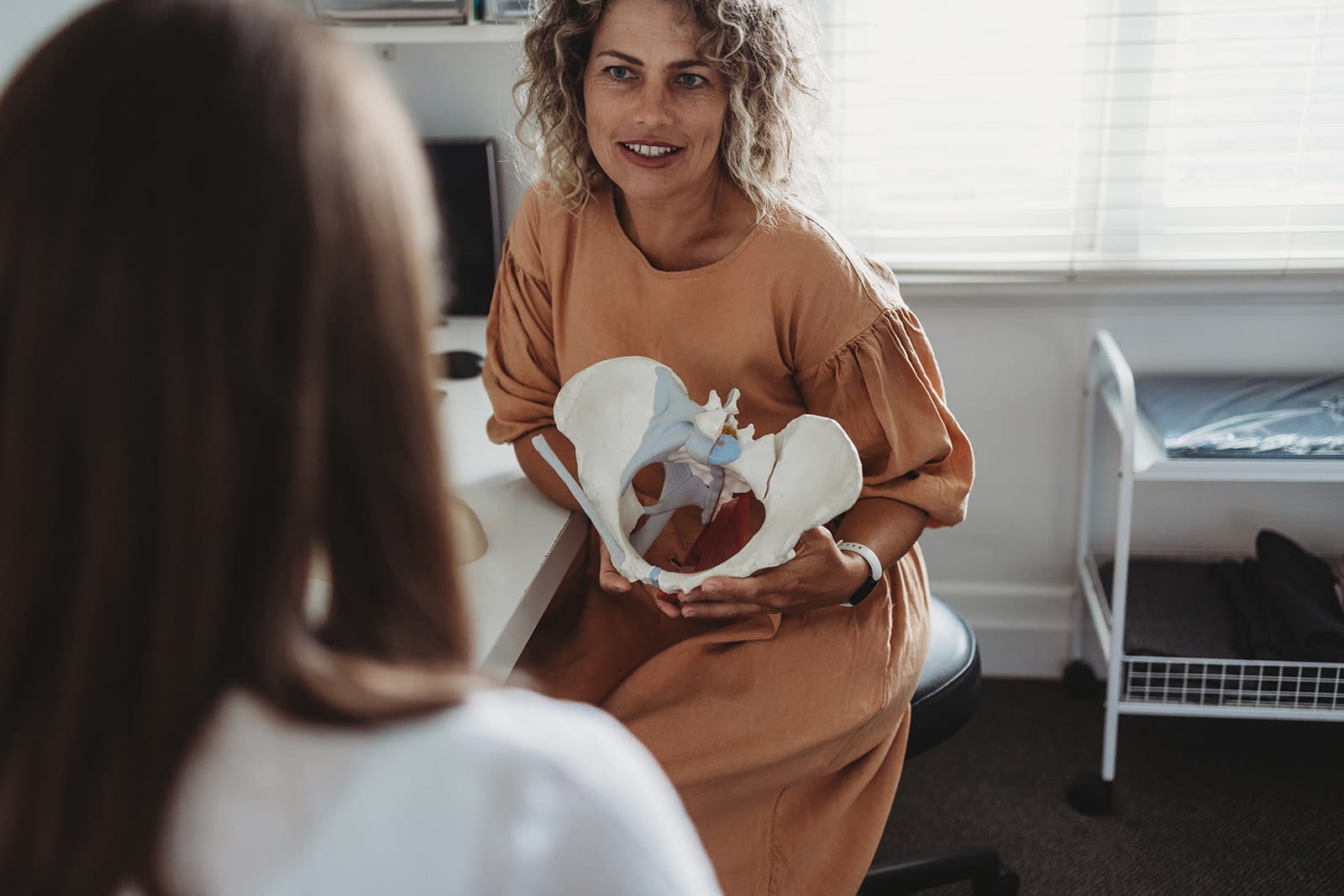
Pregnancy and birth place significant pressure on the pelvic floor. Whether you had a vaginal birth or caesarean, the muscles and connective tissue need time to recover.
A pelvic floor check with a women’s health physiotherapist can confirm when it’s safe to start more structured exercise. The assessment checks muscle strength, endurance and coordination — not just whether you can contract, but also how well you can relax.
Common early signs your pelvic floor needs support include:
Addressing these issues early prevents them becoming long-term problems.

When to Start Structured Exercise
Every recovery is different, but most women can begin gentle strengthening around six to eight weeks after birth, once cleared by their GP or physiotherapist.
The priority is low-impact movement that builds endurance rather than intensity.
Safe early options include:
At Inform Physio in Fairfield, postnatal programs are adjusted individually to ensure every exercise supports your healing phase.
Progressing at the Right Pace
It can be tempting to return to previous workouts quickly, but the body needs time to rebuild deep stability before taking on heavier load.
Physiotherapists recommend increasing activity gradually:
| Stage | Typical Timeline | Focus |
| 0–6 weeks | Recovery and rest | Breathing, walking, gentle mobility |
| 6–12 weeks | Early reactivation | Pelvic floor and core control |
| 3–6 months | Strength building | Whole-body exercises and low impact cardio |
| 6+ months | Return to sport | Progressive loading and dynamic training |
These timeframes vary with birth type, fitness history and any complications. Some women progress faster, while others need extra support. The key is to listen to your body and avoid comparing your journey to anyone else’s.
How Physiotherapy Helps Recovery
Women’s health physiotherapists guide safe postnatal exercise by:
At Inform Physio, these sessions combine assessment, education and gentle exercise in a calm, supportive setting. Many mothers say the guidance gives them reassurance as well as results.
What to Avoid in the Early Months
High-impact or heavy-load exercise too soon can worsen pelvic floor symptoms or delay healing.
Activities to postpone until cleared include:
Replacing these with controlled core and glute exercises builds strength safely before adding impact.
How Postnatal Pilates Supports Recovery
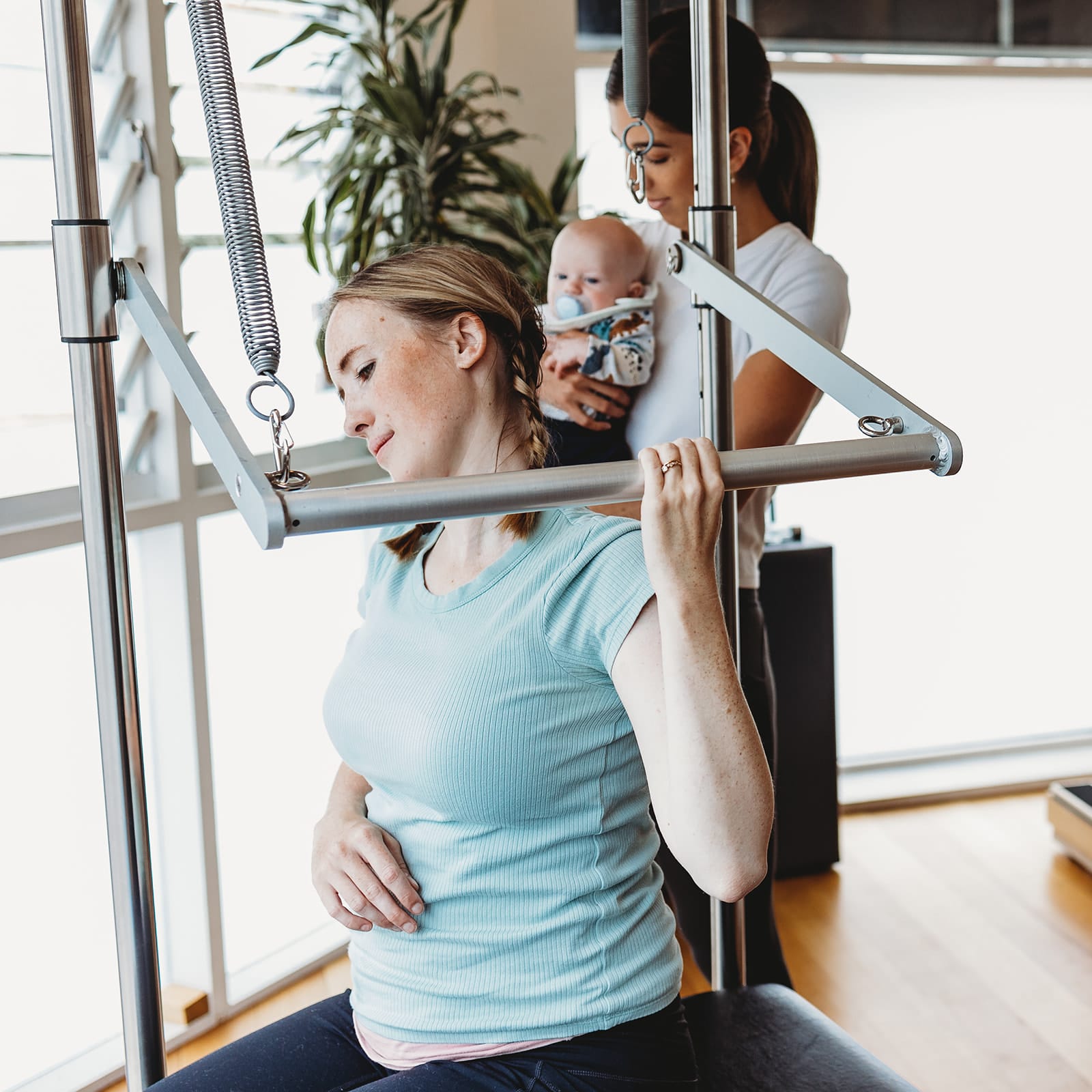
Clinical Pilates is one of the most effective and gentle ways to regain strength after pregnancy. It targets the deep stabilising muscles of the pelvis, spine and abdomen while promoting breathing control.
In Fairfield, many mothers begin with clinical Pilates programs supervised by physiotherapists before returning to gym classes or independent exercise. The structured approach reduces risk and improves confidence.
Recognising When to Rest
Healing doesn’t follow a straight line. Fatigue, feeding patterns and sleep deprivation all affect recovery.
If you notice pain, pressure or leakage during exercise, it’s a sign to pause and seek professional advice rather than push through.
A physiotherapist can adapt your plan to your changing needs, ensuring you keep moving safely without setbacks.
The Emotional Side of Returning to Exercise
Movement is as much for the mind as the body. Gentle exercise releases endorphins, improves sleep and helps reconnect you with your sense of self after birth.
For many women, it becomes a quiet space to focus, breathe and rebuild confidence in their body’s strength and ability.
Simple Ways to Begin at Home
Take short walks with the pram and increase distance slowly
Practise five slow pelvic floor contractions daily
Stretch your shoulders and back between feeds
Use pillows for support during feeding or rest
Try seated breathing: inhale, relax your belly; exhale, gently lift your pelvic floor
Even a few minutes a day can help you feel stronger and more balanced.
Why Local Support Makes a Difference
Accessing postnatal physiotherapy in your local area means care that fits your lifestyle.
At Inform Physio in Fairfield, programs are personalised for every stage — from early recovery to rebuilding fitness and preparing to return to sport.
Sessions focus on education, comfort and long-term wellbeing rather than fast results.
FAQs
Gentle walking and breathing can begin once your doctor confirms your wound is healing. Strength work usually starts after six to eight weeks, depending on comfort.
Most women return to running between four and six months postpartum after rebuilding strength and pelvic control. A physiotherapist can assess readiness safely.
Yes, your GP or obstetrician will confirm your recovery is on track. A physiotherapist can begin light movement education before or after that visit.
Yes, when guided by a physiotherapist. Clinical Pilates rebuilds strength gently and improves posture, especially if you’re feeding or lifting frequently.
Moderate activity does not reduce milk supply when hydration and nutrition are maintained.
Further Reading
Australian Physiotherapy Association (APA). Postnatal Physiotherapy and Pelvic Floor Recovery. 2024
Royal Australian and New Zealand College of Obstetricians and Gynaecologists (RANZCOG). Antenatal and Postnatal Care Guidelines. 2023
World Health Organization (WHO). Physical Activity and Women’s Health. 2023
Disclaimer
This information is general and does not replace professional medical advice. Always consult a qualified physiotherapist or healthcare provider before starting or changing your exercise program.