
No products in the cart.
What Science Says About Benefits and Risks
Staying active during pregnancy is one of the simplest ways to support physical and mental wellbeing, yet many people still feel unsure about what is safe. Information online can be confusing or contradictory, and it is common for people to avoid exercise altogether because they fear doing the wrong thing. This article explains what current research shows, which activities are safe, which ones need modification and how physiotherapy can help guide a healthy approach to movement during pregnancy.
Why exercise matters during pregnancy
The body undergoes rapid changes during pregnancy. Muscles adapt to support new loads. Ligaments soften. Posture shifts. Blood volume increases. These changes place new demands on the body, and movement helps it cope.
Recent reviews since 2020 show that regular, moderate exercise during pregnancy is linked with:
These outcomes are strongest when exercise is consistent and tailored to an individual’s stage of pregnancy.

What types of exercise are safe
Most forms of low to moderate intensity exercise are safe for people with healthy pregnancies. The key is to adapt movements to match strength, comfort and the changing centre of gravity.
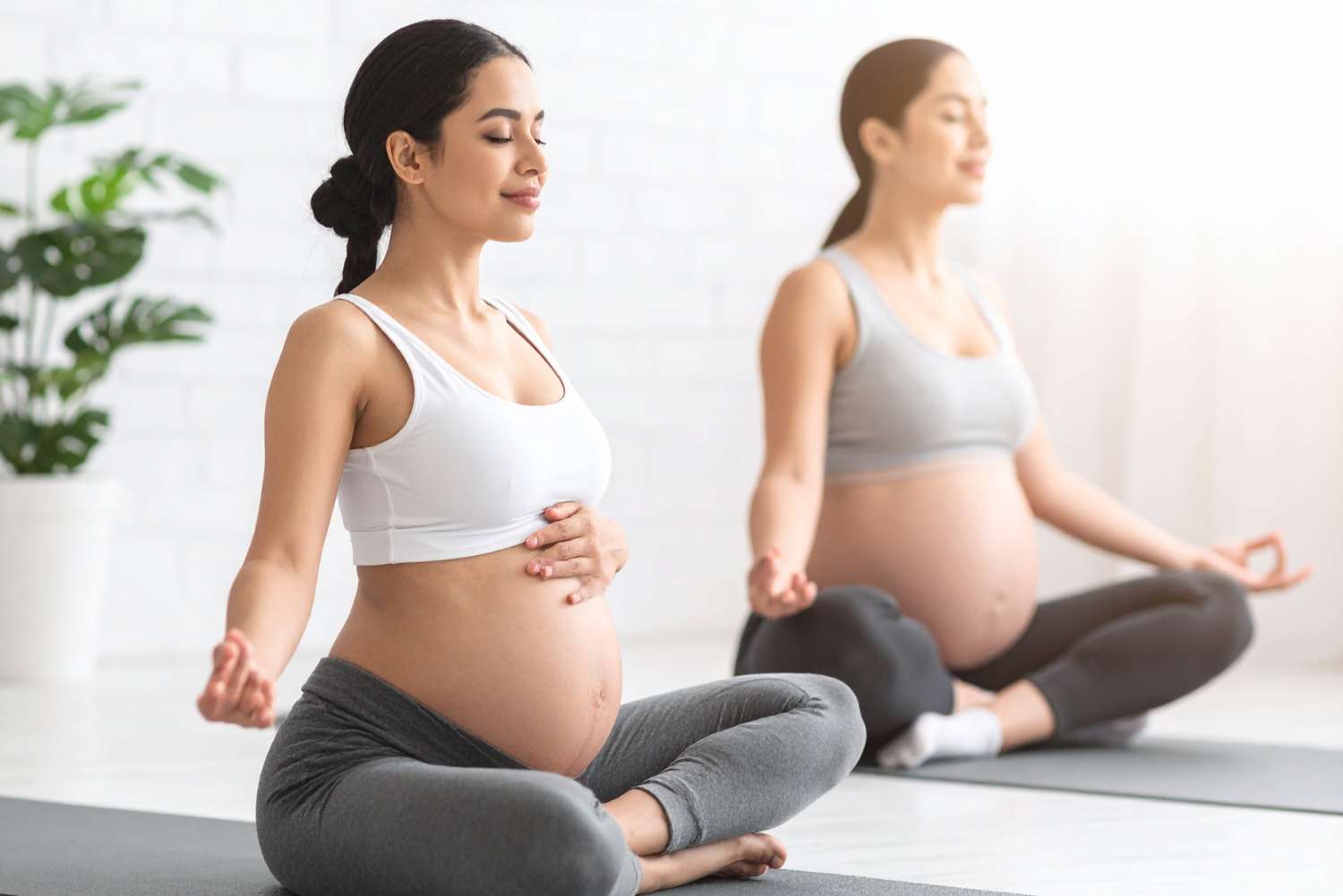
Safe options usually include:
Safe options usually include:
Each exercise should allow comfortable breathing, stable posture and controlled movement.
What needs modification or care
Some activities increase pressure on the pelvic floor or involve movements that become uncomfortable as pregnancy progresses. These activities do not always need to be avoided but they do need thoughtful adjustment.
Activities that need modification may include:
A physiotherapist can help identify whether these movements are suitable and provide safe alternatives.
What research says about risks
Contrary to common fears, research shows that exercise during pregnancy does not increase the risk of miscarriage, premature labour or harm to the baby in people with healthy pregnancies. Large studies published since 2020 found that moderate exercise is safe across all trimesters when medical conditions are monitored and guidelines are followed.
The main risks arise when exercise is:
Safe exercise should leave the person feeling energised rather than fatigued or strained.
How physiotherapy supports safe prenatal exercise
Pregnancy affects every person differently. Physiotherapists assess how the body is changing, identify pelvic floor considerations and help adapt exercise routines to stay safe and comfortable.
A prenatal exercise consultation may include:
These plans ensure exercise supports the body rather than adding strain.

When to seek guidance
Physiotherapy guidance is recommended if a person experiences:
Prompt assessment can help reduce symptoms and keep activity levels steady through pregnancy.
Training that supports life after birth
Exercise during pregnancy naturally prepares the body for postpartum demands. Lifting, carrying, feeding and caring for a newborn all place stress on the spine, hips and pelvic floor. Maintaining strength and mobility during pregnancy often makes this early phase feel more manageable.
Physiotherapy guided exercise can support:
Small, consistent steps often lead to a smoother recovery.